 Save
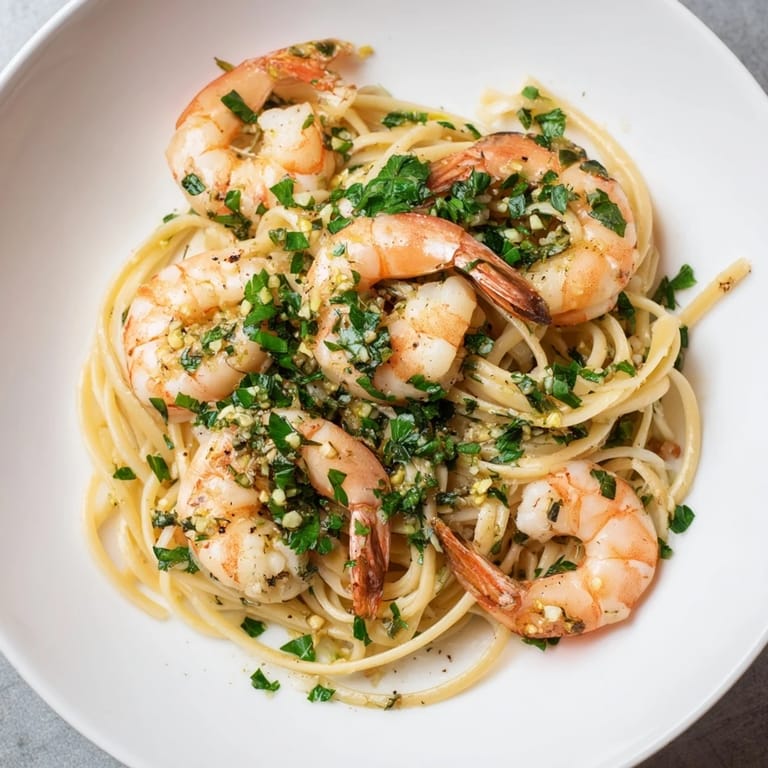
Save There's something about the smell of lemon and garlic hitting hot oil that stops me mid-task every single time. I discovered this pasta almost by accident one Thursday evening when I had shrimp thawing on the counter and a lemon that needed rescuing from the back of the fruit bowl. What started as improvisation became the dish I now make whenever I want to feel like I'm eating something both elegant and effortless. The beauty is in its simplicity—fresh herbs, bright citrus, and sweet shrimp create a meal that tastes like a coastal dinner without the fuss.
I made this for my neighbor last summer when she mentioned being tired of cooking, and watching her face when she tasted it—that moment of genuine surprise and satisfaction—told me everything. The pasta water creates this silky sauce without any cream, which feels like kitchen magic but is actually just understanding how starch works. She's asked for it at least a dozen times since.
Ingredients
- Large shrimp, peeled and deveined (400 g): Look for them firm and slightly translucent, and don't skip the deveining even though it feels fussy—it genuinely improves the eating experience.
- Linguine or spaghetti (340 g): Whatever pasta shape you have works, but thinner strands let the sauce cling better than chunky tubes.
- Garlic, minced (3 cloves): Mince it fresh right before cooking; jarred garlic tastes like cardboard and you'll notice the difference immediately.
- Lemon zest and juice (1 large lemon): Use a microplane if you have one—it catches the bright oils in the skin that make the dish sing.
- Fresh parsley, finely chopped (3 tbsp): This is not decoration; it's flavor, so don't hold back or substitute with dried herbs.
- Fresh basil, finely chopped (2 tbsp, optional): Add it at the very end if you use it, so the heat doesn't turn it dark and muddy.
- Extra-virgin olive oil (3 tbsp): Quality matters here since there's nowhere to hide it—use something you'd actually taste on bread.
- Unsalted butter (1 tbsp): This is the secret to a sauce that feels richer than it is, adding silkiness without heaviness.
- Salt and freshly ground black pepper: Don't rush seasoning; taste as you go and adjust at the end when everything comes together.
Tired of Takeout? 🥡
Get 10 meals you can make faster than delivery arrives. Seriously.
One email. No spam. Unsubscribe anytime.
Instructions
- Start the pasta:
- Bring a large pot of salted water to a boil—it should taste like the sea—and drop in your pasta. Cook until it's just barely tender, still with a whisper of resistance when you bite it. Before you drain it, scoop out about half a cup of that starchy water and set it aside; you're going to need it.
- Prepare the shrimp:
- Pat each shrimp completely dry with paper towels, then season them with a pinch of salt and black pepper. Dry shrimp will sear beautifully instead of steaming, and that crust is where flavor lives.
- Sear the shrimp:
- Heat two tablespoons of olive oil in a large skillet over medium-high heat until it's shimmering, then lay your shrimp in a single layer and leave them alone for a full minute. They'll turn pink and sweet in just 1 to 2 minutes per side, and the moment they're opaque all the way through, move them to a plate before they get tough and rubbery.
- Make the garlic base:
- Reduce the heat to medium, add the remaining tablespoon of olive oil and the butter, and when the butter froths, add your minced garlic. Let it sizzle and perfume the whole kitchen for about 30 seconds, but don't let it brown or it'll taste bitter and ruin everything you've built.
- Bring it all together:
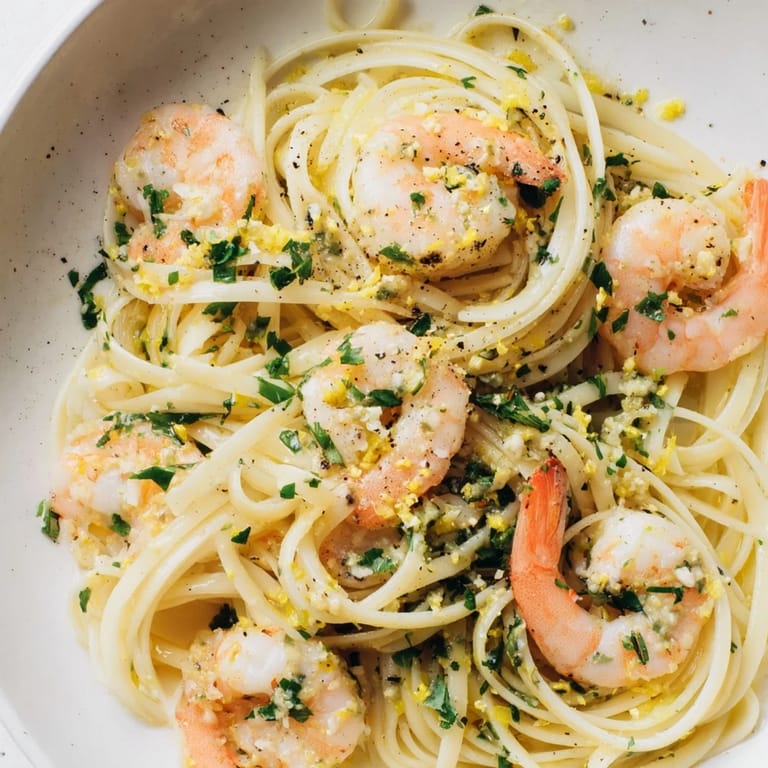
- Add your cooked pasta to the skillet along with the reserved pasta water, the lemon zest, and the bright yellow juice. Toss everything constantly, watching as the starchy water transforms into a silky coating that clings to every strand.
- Finish and serve:
- Return the shrimp to the pan, scatter in the parsley and basil, and toss gently until the shrimp is warm again and everything is evenly coated. Taste and adjust your seasoning with more salt or a crack of black pepper, then serve immediately with lemon wedges and shaved Parmesan if that's your style.
 Save
Save I think about the quiet moment when my daughter, who claims to hate seafood, asked for seconds and then thirds. It reminded me that the best meals aren't the complicated ones or the ones with fancy techniques; they're the ones that taste alive and make people want to linger at the table a little longer.
Why This Works So Well
The magic of this dish lives in restraint and balance. You're not drowning the shrimp in cream or competing flavors; instead, you're letting each ingredient speak clearly. The lemon cuts through the richness of the butter and oil, the garlic whispers underneath, and the shrimp brings its own delicate sweetness. When you understand that ratio—bright citrus, savory umami, delicate protein—you've learned a principle that works across a hundred other dishes.
Timing and Prep Strategy
The entire dish hinges on good timing, which is actually the easiest thing to master. The secret is doing your prep work first—zest that lemon, chop your herbs, mince your garlic, and pat your shrimp dry all before you turn on the heat. Once you start cooking, you're moving constantly but never rushed, and it's actually meditative if you let it be. Everything happens in the order it needs to happen, and by the time you've finished one step, you're ready for the next.
Variations That Feel Just as Right
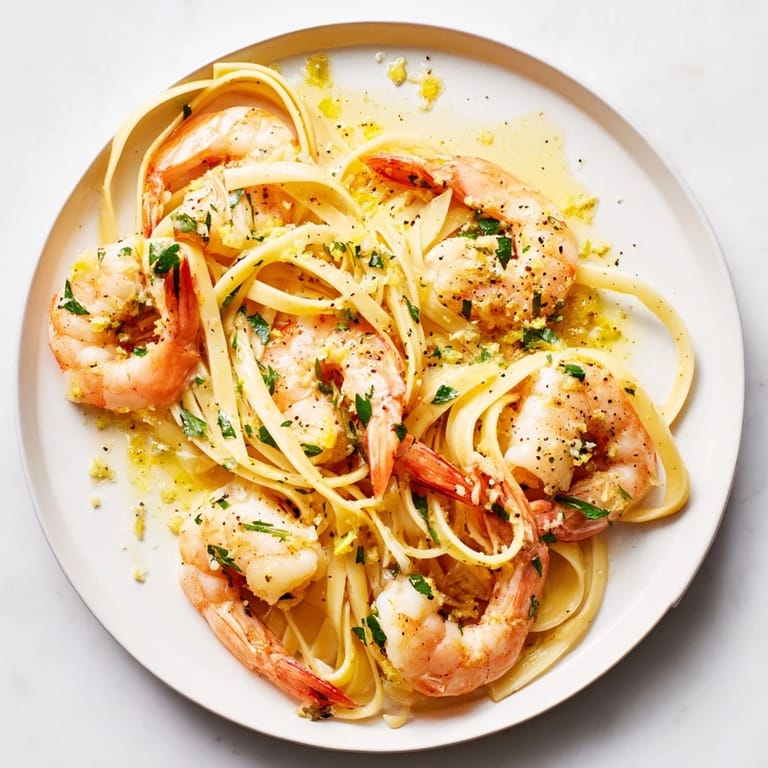
This recipe is forgiving and flexible, which is part of what makes it so reliable. I've made it with fettuccine when linguine was hiding in someone else's cabinet, swapped the shrimp for scallops on impulse, and even thrown in red pepper flakes when I wanted some heat simmering underneath the brightness. The structure stays solid; you're just adjusting the details to match what you have or what you're craving that particular evening.
- A pinch of red pepper flakes adds subtle warmth without overwhelming the delicate shrimp and lemon balance.
- Scallops work beautifully if shrimp isn't available, and they cook in almost the same time.
- For dairy-free, skip the butter and use a splash more good olive oil to maintain that silky coating.
 Save
Save This pasta has become my answer to the question I ask myself most Friday afternoons: what can I make that feels special without feeling like work? It's the dish that reminds me why I love cooking—not because it's complicated, but because simplicity done right tastes like intention.
Recipe FAQs
- → What type of pasta works best for this dish?
Linguine or spaghetti are ideal as they hold the light sauce well, but fettuccine can be used as a substitute.
- → How do I ensure the shrimp cooks perfectly?
Cook shrimp over medium-high heat for 1–2 minutes per side until just pink and opaque to avoid overcooking and maintain tenderness.
- → Can I adjust the lemon flavor intensity?
Yes, increase or decrease the amount of lemon zest and juice to suit your preferred level of brightness.
- → What herbs are recommended for the best flavor?
Fresh parsley and basil add vibrant aroma and taste, balancing the lemon and shrimp flavors beautifully.
- → Is there a way to make this dish dairy-free?
Omit the butter and Parmesan cheese, using extra-virgin olive oil alone to maintain a rich, smooth texture.