 Save
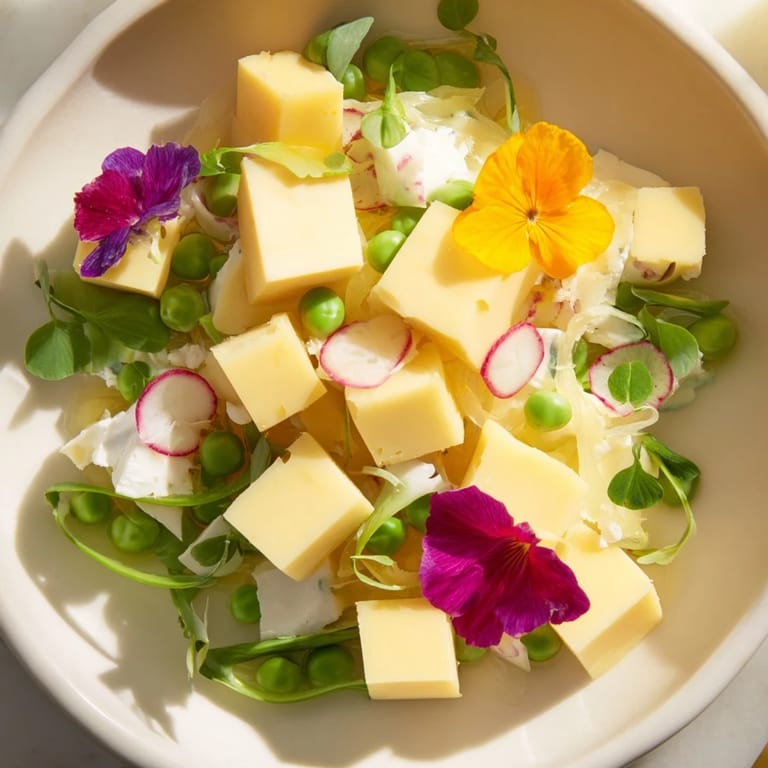
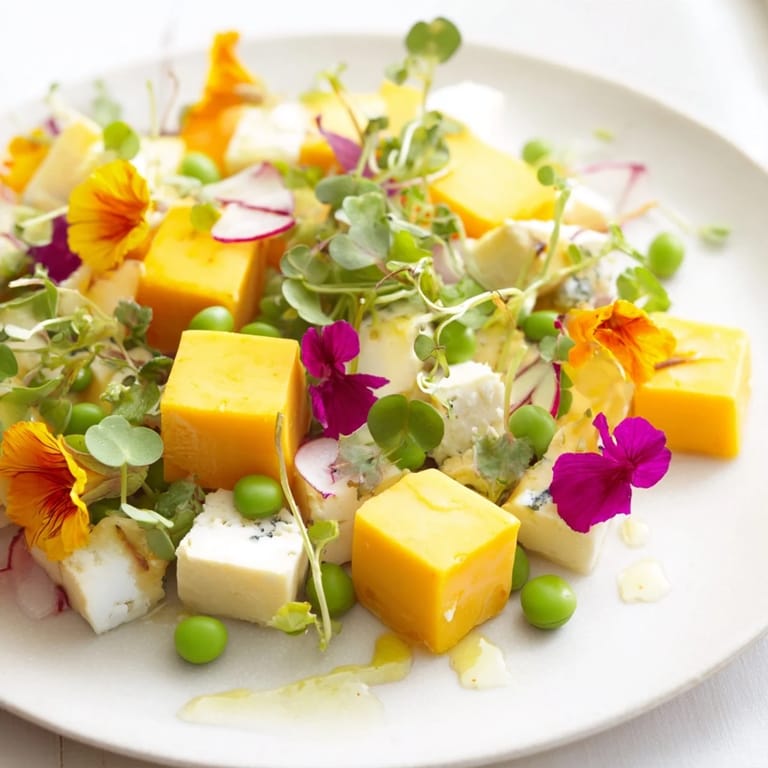
Save I discovered this dish by accident one spring afternoon when I was arranging ingredients on a board and noticed how the microgreens created this delicate, almost magical veil over everything beneath. My guests that evening didn't just eat the appetizer—they became explorers, pushing aside the flowers with their forks like they were searching for buried treasure. That single moment of watching their faces light up as they unearthed a cube of aged cheddar taught me that sometimes the most elegant dishes are the ones that invite play.
I made this for a dinner party on a restless evening when I wanted to impress without the fuss. One guest—someone who usually pushed vegetables to the side of their plate—spent ten minutes just enjoying the ritual of discovery, tasting the flowers individually, then pairing them with different cheeses. That's when I realized the joy wasn't just in the flavors, but in how the presentation made everyone slow down and pay attention.
Ingredients
- Aged cheddar: The sharpness cuts through the delicate flowers and grounds the whole board with a bold, familiar anchor.
- Goat cheese: Its creamy tang plays beautifully against peppery microgreens and carries subtle floral flavors without overwhelming them.
- Gruyère: A touch of nutty sweetness that makes this feel less like a snack and more like an intentional, thoughtful course.
- Microgreens: Use a mix if you can—pea shoots bring sweetness, radish greens add a sharp bite, and mixed herbs keep things interesting.
- Edible flowers: Source these from a trusted supplier or farmers market; they're the stars here, so don't settle for anything less than vibrant and fresh.
- Extra virgin olive oil: A light drizzle adds luxury and helps the flavors meld, though it's truly optional.
- Flaky sea salt and black pepper: These finish everything with a subtle sophistication that ties the whole composition together.
Tired of Takeout? 🥡
Get 10 meals you can make faster than delivery arrives. Seriously.
One email. No spam. Unsubscribe anytime.
Instructions
- Prep Your Canvas:
- Cut your cheeses into roughly the same size cubes—about the size of a die—so they feel intentional and equal on the board. This takes only a few minutes and completely changes how the final dish feels.
- Build the Base Layer:
- Arrange cheese cubes across a large board with breathing room between them. Think of it like placing islands on a sea, not clustering them into a crowd.
- Create the Foliage:
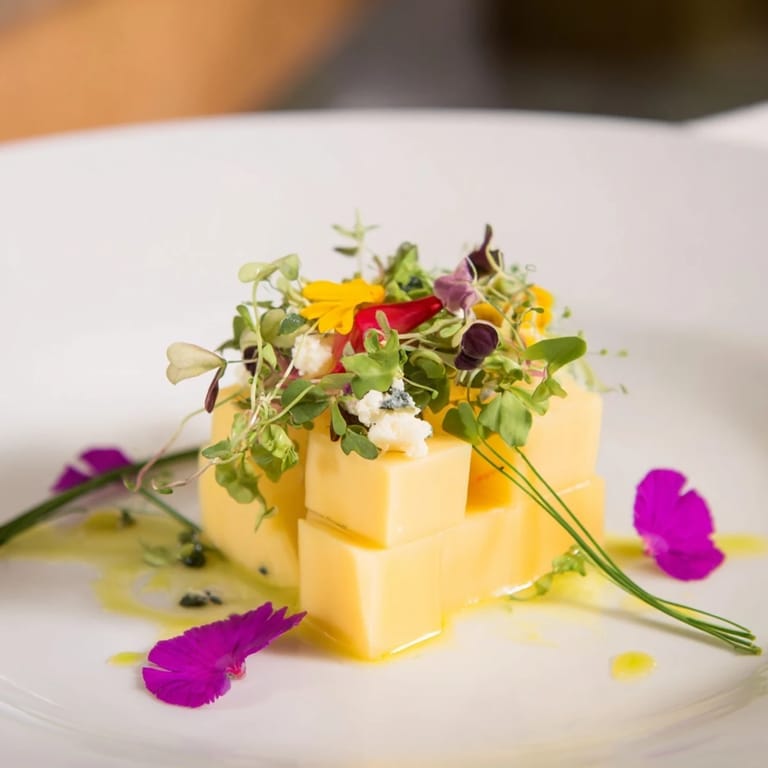
- Scatter microgreens generously over and around the cheese, letting some cubes peek through while others hide completely. The goal is mystery, so don't be shy with the volume.
- Tuck in the Flowers:
- Nestle edible flowers among the greens, filling gaps and creating a lush, garden-like abundance. Let some flowers catch the light; let others sit in the shadows of the microgreens.
- Finish with Grace:
- Drizzle lightly with olive oil if desired, then dust with flaky salt and a grind of fresh pepper. Taste a tiny corner as you season—you're the first guest to forage.
 Save
Save This dish taught me something I hadn't expected: that a simple collection of beautiful, quality ingredients needs no cooking, no complicated technique, just intention and arrangement. It's the kind of appetizer that shifts the mood of an entire gathering from formal to intimate.
Sourcing Your Flowers & Microgreens
The success of this recipe hinges entirely on finding flowers and microgreens that are genuinely edible and grown without pesticides. Farmers markets are your best bet—you can ask the grower directly about growing practices, and you'll get fresher, more vibrant selections than anywhere else. If you can't find edible flowers in your area, specialty grocery stores and online suppliers catering to chefs ship them reliably, though they cost more and won't feel quite as alive on the board.
Cheese Selection & Variations
While cheddar, goat cheese, and Gruyère create a balanced tasting experience, you're not locked into these choices. Manchego brings Spanish richness and a slightly crumbly texture, feta adds briny brightness, and a good Brie softens the whole plate with creamy luxury. The only rule is contrast—pick cheeses with different textures and flavor profiles so each cube feels like a small discovery rather than a repetition.
Timing & Service
Assemble this dish no more than 30 minutes before serving; the microgreens will begin to wilt under the weight of moisture from the flowers, and the whole thing loses its crisp, garden-fresh appeal. This is one of those rare appetizers where the last-minute rush actually works in your favor, keeping everything snappy and alive. Serve it at room temperature with napkins nearby, because people will dig in with their hands as much as their forks.
- Pair with crisp white wine or sparkling rosé to echo the delicate, floral quality of the dish.
- If you want crunch, scatter thinly sliced radishes or cucumber ribbons before serving for textural contrast.
- Keep the board simple—no bread, no crackers—let the cheeses and flowers speak for themselves.
 Save
Save This appetizer reminds me why I love cooking at all: sometimes the most memorable dishes are the ones where nature does most of the heavy lifting, and all we do is arrange it with care. It's a quiet kind of elegance that makes everyone at the table feel like they've been invited somewhere special.
Recipe FAQs
- → What cheeses work best for this appetizer?
Aged cheddar, goat cheese, and Gruyère provide complementary textures and flavors, but cheeses like Manchego or feta can be excellent alternatives.
- → How should the edible flowers be chosen?
Use pesticide-free, edible flowers such as nasturtiums, pansies, violets, or borage to add color and subtle floral notes safely.
- → Can I prepare this appetizer in advance?
It's best served fresh to maintain the crispness of microgreens and the vibrancy of flowers, but cheeses can be cubed beforehand.
- → Which wines pair well with this dish?
Crisp white wines or sparkling rosé complement the creamy cheeses and fresh floral elements beautifully.
- → Is olive oil necessary for this dish?
Olive oil drizzle is optional but adds a subtle richness that enhances the overall flavor and mouthfeel.