 Save
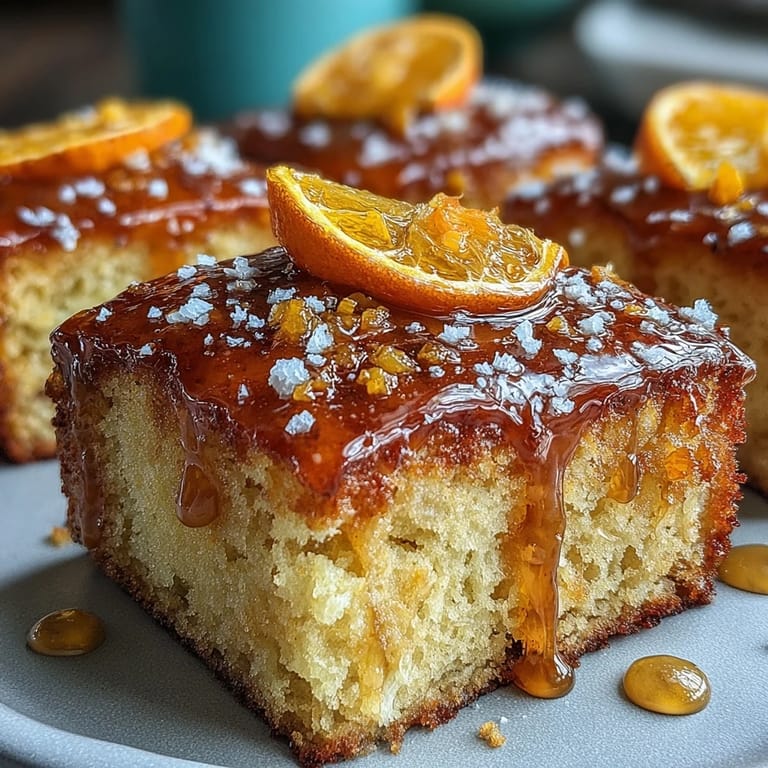
Save The first time I made a whole orange cake, the vivid scent of citrus seemed to coat every surface in my kitchen. I remember my hands feeling slightly sticky as I quartered the orange, peel and all, marveling at how quickly the blender turned the vibrant fruit into a silky golden purée. It was a rainy afternoon, and the sound of the whirring machine mingled with the gentle tap of drops on the window. There was something satisfyingly simple about using the entire orange, minimizing waste and maximizing flavor. Even the cleanup felt like less of a chore, thanks to just one bowl and a whirlwind of ingredients.
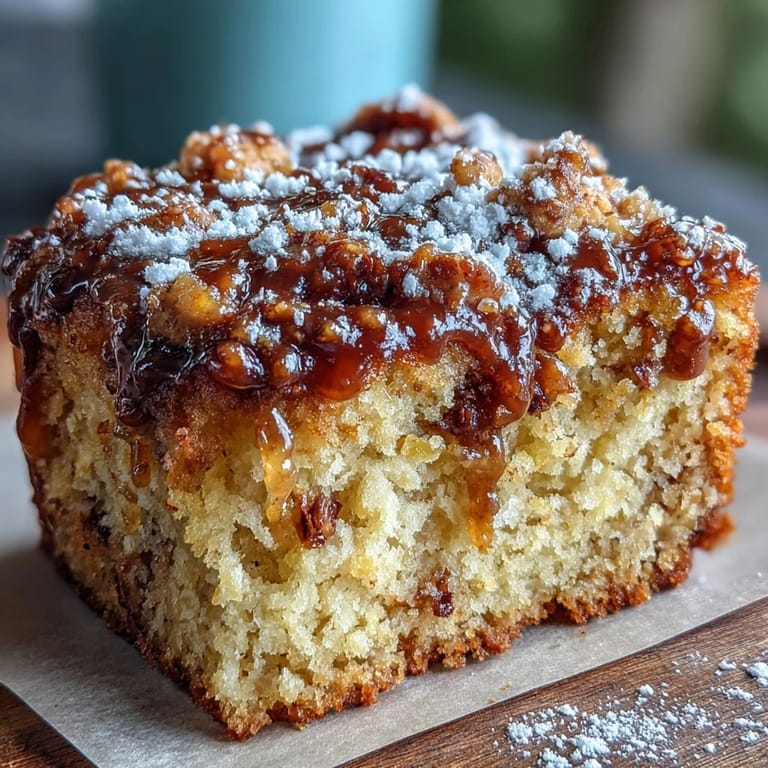
A friend dropped by unexpectedly last spring, and I pulled out this orange cake, still warm on the counter. We sliced it quietly, dusted with powdered sugar, and the conversation drifted between memories and laughter as we noticed how the cake itself seemed to brighten our little kitchen nook. The edges had a soft, candied chew and the inside was impossibly moist—a small victory on an otherwise ordinary Tuesday. It's now the cake I return to when I want to surprise someone (or just myself) with something unfussy yet extraordinary.
Ingredients
- 1 large seedless orange (organic, washed and quartered): Using the whole orange gives the cake its signature zingy depth, and organic is a must since you include the peel.
- 3 large eggs: The eggs bring structure and richness; room temperature eggs blend in smoothly every time.
- 150 ml vegetable oil (e.g., sunflower or canola): Oil keeps the crumb super tender and moist, no need for butter creaming drama.
- 1 tsp vanilla extract: A splash of vanilla cozies up to the citrus and rounds off the flavor.
- 250 g granulated sugar: Sugar both sweetens and helps ensure the crumb stays soft.
- 250 g all-purpose flour: Standard flour creates the ideal texture—don’t pack it down when measuring.
- 2 tsp baking powder: Gives the cake a pleasing rise; double check it's fresh for the lift you want.
- 1/2 tsp salt: Just enough to balance all the citrus and sugar.
- Powdered sugar, for dusting (optional): A fluttering of powdered sugar turns a simple cake into something festive.
Tired of Takeout? 🥡
Get 10 meals you can make faster than delivery arrives. Seriously.
One email. No spam. Unsubscribe anytime.
Instructions
- Prep Your Pan:
- Turn on your oven to 350°F (175°C), grease a 9-inch round pan, and line the base with parchment for easy removal.
- Blend Wet Ingredients:
- In the blender, add the quartered orange, eggs, oil, and vanilla; let the machine run until everything becomes a smooth, sun-kissed blend with no chunks.
- Mix Dry Ingredients:
- Whisk together sugar, flour, baking powder, and salt in a roomy bowl—it looks basic, but this mix makes the magic possible.
- Combine Mixtures:
- Pour that fragrant orange purée over the dry ingredients, folding gently with a spatula just until the last streak of flour disappears.
- Bake:
- Spread the batter evenly into the prepared pan, slide it onto the middle rack, and bake 45–50 minutes until a golden crown forms and a toothpick comes out clean.
- Cool and Finish:
- Cool in the pan 10 minutes before turning out onto a rack to finish cooling; dust the top with powdered sugar if you like a little drama.
 Save
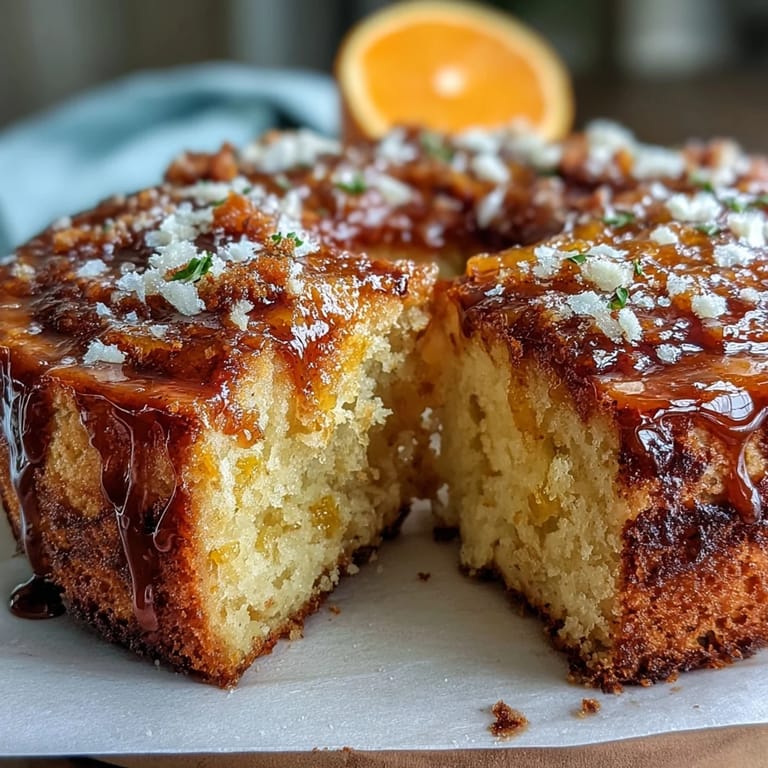
Save The cake has a knack for sparking smiles when it lands on the table, especially when someone learns it's made with the whole orange. Sharing it at book club one evening, everyone tried to guess the secret after their first bite, passing slices and theories around until the pan was empty. It felt like a group achievement, a little hands-on mystery solved together, which somehow made the cake taste even sweeter.
Unexpected ways to enjoy leftovers
I once toasted a slice in a skillet with a dab of butter, and it took on a caramelized edge that paired surprisingly well with morning coffee. Another time, leftovers became the base for a Sunday brunch trifle with Greek yogurt and honey. This cake’s freshness means it stands up to a little experimentation—or just quietly disappearing by the sliver.
Choosing the best orange for bold flavor
I've tried it with a few different types, and the cake soars with sweet, thin-skinned navel oranges or juicy Cara Caras. Avoid naval oranges with thick, pithy peels, as they can introduce unwanted bitterness in the crumb. Always scrub the peel well, even if organic, to make sure the flavor shines through and nothing undesired sneaks in.
Small adjustments for custom results
A splash of orange liqueur or a pinch of cardamom sends this cake in new directions if you want something a little special. Playing with baking time for your oven's quirks has given me the best golden crust. Using a light hand while folding is my new kitchen mantra for guaranteeing lift and moistness every time.
- Toss in a handful of dark chocolate chips for a twist; they pair beautifully with the orange.
- If you crave tang, serve with a spoonful of thick yogurt instead of whipped cream.
- Don't skip cooling fully before slicing; it helps the texture set just right.
 Save
Save May your kitchen be sweet with orange and your cake slices thick. Here’s to easy, joyful baking that’s as fun to share as it is to eat.
Recipe FAQs
- → Can I use an orange with seeds?
Yes. Remove any large seeds before blending to avoid bitter notes or crunchy bits. Small seed fragments can alter texture, so take a moment to pick out visible seeds.
- → Why is the whole orange used instead of just the juice?
The peel and zest contain aromatic oils that add depth, intensity and natural moisture. When puréed smoothly, they contribute bright fragrance and a tender crumb that juice alone can't provide.
- → How do I prevent bitterness from the peel?
Choose a sweet, thin-skinned variety and blend until silky. Removing any overly thick white pith before blending or balancing with a tablespoon of orange liqueur or a pinch of cardamom helps mellow bitterness.
- → Can this be made dairy-free or vegan?
The batter uses oil, so dairy-free is simple—use plant-based toppings. For a vegan version, replace eggs with suitable egg replacers (e.g., flax or commercial substitutes) and test texture, as structure will change.
- → How do I know when it's done baking?
Bake until the top is golden and a toothpick or skewer inserted into the center comes out clean or with a few moist crumbs. Allow the cake to rest 10 minutes in the pan, then cool on a rack.
- → What additions or toppings work well?
Fold in a tablespoon of orange liqueur or 1/2 tsp ground cardamom for warmth. Finish with powdered sugar, a simple glaze, chopped nuts, whipped cream or vanilla ice cream for contrast.