 Save
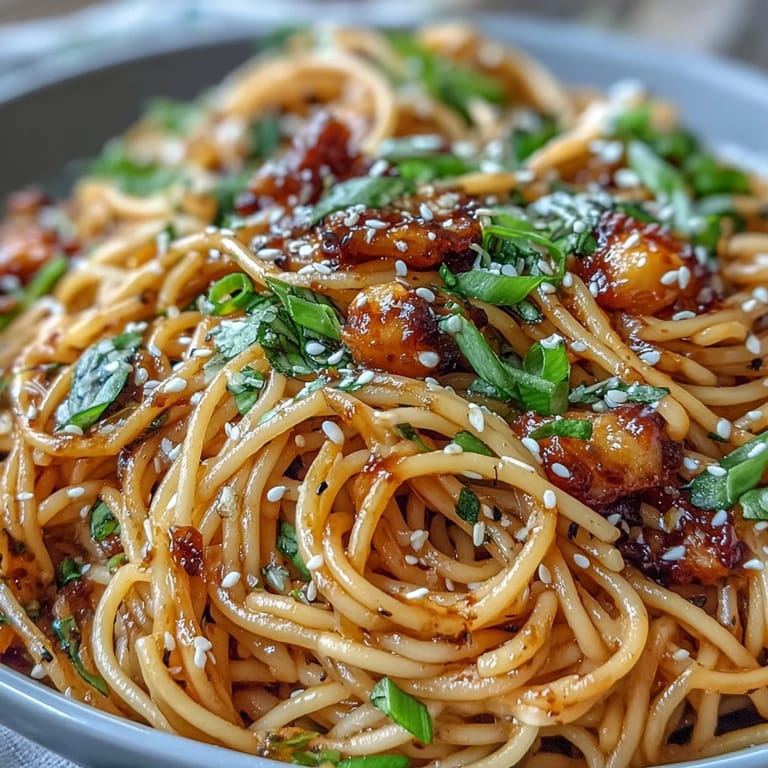
Save The first time the scent of garlic and gochujang hit the warm butter in my kitchen, I paused to soak it in—a spicy-sweet, savory aroma that made me do a little dance as the pasta bubbled away nearby. My neighbor had dropped off a fresh jar of Korean chili paste after her trip, and I couldn't resist experimenting that very night. Stirring in the glossy sauce and hearing the sizzle, I knew instantly this dish would become a weeknight staple. It’s one of those recipes that transforms plain pasta into something bold and satisfying, with just enough heat to keep things interesting. Who knew a quiet Tuesday could feel like such a celebration?
Cooking this for my sister during a thunderstorm, we huddled over our bowls and compared the spicy aroma to the smell of rain hitting hot pavement—both comforting, both a little electrifying. Watching her go back for seconds felt like winning an invisible kitchen competition.
Ingredients
- Spaghetti or linguine: Pasta with enough bite and width for the sauce to grip really makes this sing, so avoid overcooking.
- Unsalted butter: Butter turns the sauce creamy and lush—I learned salted butter can make it too briny, so stick with unsalted.
- Gochujang (Korean chili paste): This gives the whole dish its signature zing and depth, and a good gochujang makes all the difference, so splurge on the real deal.
- Garlic: Finely minced delivers aroma without big bites; don’t let it brown, or it will go bitter.
- Soy sauce: Brings balance and a salty backbone, and I use low sodium so the flavors don’t clash.
- Honey or maple syrup: Just the right touch of sweetness smooths out the gochujang heat; I swap in maple syrup when I want an earthier note.
- Pasta cooking water: The starchy water emulsifies the sauce for gloss and silkiness, so never forget to reserve some before draining!
- Spring onions: These brighten up each serving with crunch and color, sliced as thin as you can manage.
- Toasted sesame seeds: A sprinkle on top adds nuttiness and texture; toast them fresh for best flavor.
- Freshly ground black pepper: A twist at the end sharpens each bite; avoid pre-ground pepper if you can.
- Salt: For seasoning the pasta water—properly salted water makes bland noodles a thing of the past.
Tired of Takeout? 🥡
Get 10 meals you can make faster than delivery arrives. Seriously.
One email. No spam. Unsubscribe anytime.
Instructions
- Boil and prep your pasta:
- Fill a big pot with water and salt it like the sea, then slide in the pasta. Cook until just al dente, scoop out a good splash of starchy water, then drain.
- Start the flavor base:
- In your favorite skillet, melt the butter on medium heat. Scatter in the minced garlic and nudge gently just until it smells glorious and is lightly bubbling but still pale.
- Mix in the sauce elements:
- Add the gochujang, soy sauce, and honey right into the buttery, garlicky goodness—watch it fizz and stir constantly so nothing scorches.
- Toss and gloss:
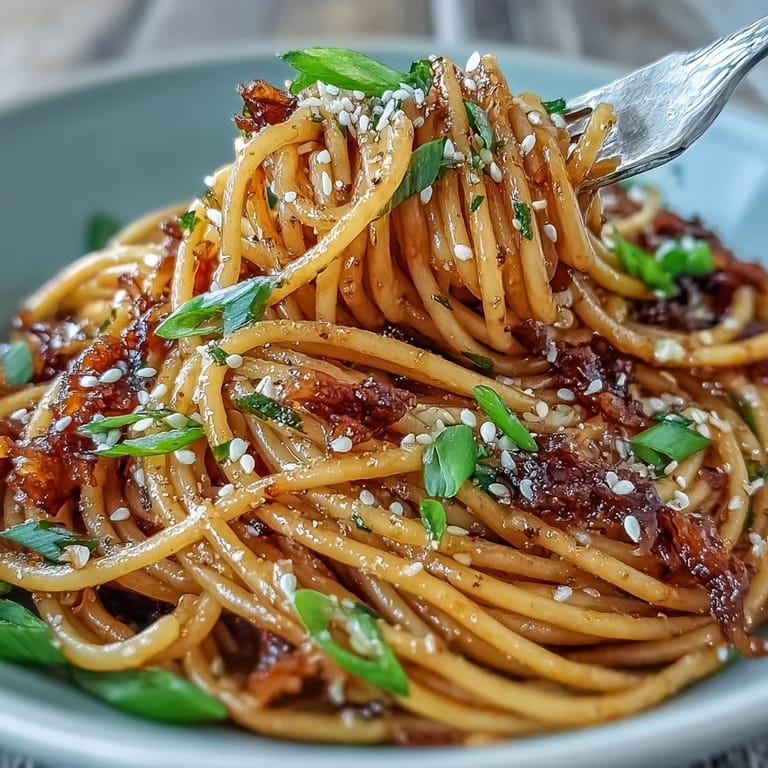
- Tumble the drained pasta right into the skillet, pour over the pasta water, and toss energetically so every strand is slick and glossy with sauce.
- Garnish and serve:
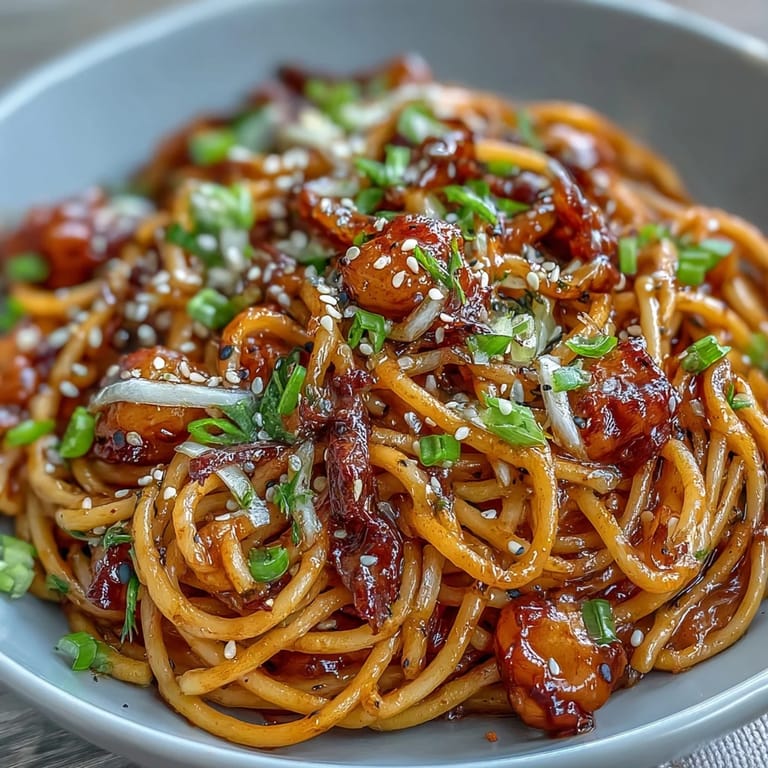
- Heap the twirled noodles into warm bowls, finish with a rain of spring onions, sesame seeds, and a few turns of black pepper, then serve while it’s piping hot.
 Save
Save The night friends gathered after moving day, I made this pasta and we ate straight from bowls on unpacked boxes—it was silent except for appreciative hums and the scrape of forks. Suddenly, it wasn’t just fuel, but a memory in the making.
Making It Your Own: Swaps and Add-Ins
If I have spinach, I’ll throw in a generous handful with the pasta to wilt, or sear off sliced mushrooms first for extra savoriness. Crispy tofu cubes or a soft-boiled egg also land on top when I’m feeling like a little more protein, and I’ve even swapped in rice noodles for a gluten-free friend without missing a beat.
A Few Words on Choosing Gochujang
I used to reach for any old tub, but a trip to the Korean grocer introduced me to house-made, small batch gochujang—the difference is night and day. If your paste has a glossy red sheen and smells sweet-sour-spicy, you’re golden.
Kitchen Habits That Help (and a Few Quick Reminders)
Washing and prepping your garnishes while water boils saves time and keeps the whole process breezy. I always lay out the garnishes and a ladle for pasta water upfront so I don’t forget in the rush. Remember, letting the sauce get too thick is a fixable mistake—just splash in more pasta water and toss.
- If using maple syrup, don’t hesitate to go a tad less if you want things more savory.
- Toss pasta and sauce quickly over heat for best gloss and coverage.
- Don’t forget to taste for salt at the end — each batch of gochujang is unique!
 Save
Save If you’re craving a dish that feels both comforting and adventurous, this pasta delivers with every bite—warm it up for quick dinners or share for late-night gatherings.
Recipe FAQs
- → How do I control the heat level?
Adjust the amount of gochujang to taste or mellow it with extra butter or a splash of maple syrup. Adding more reserved pasta water also softens the spice while keeping the sauce glossy.
- → Can I make it vegan?
Yes. Use plant-based butter and maple syrup instead of honey. Check labels for vegan-certified gochujang and swap soy sauce for tamari if needed for allergen concerns.
- → How do I keep the sauce silky and not grainy?
Reserve some pasta cooking water and add it gradually while tossing the pasta over medium heat. The starch in the water helps emulsify the butter and gochujang into a smooth, glossy coating.
- → What pasta shapes work best?
Long strands like spaghetti or linguine are ideal because the sauce clings to each strand, but short shapes with ridges (fusilli, rigatoni) also hold the sauce well.
- → How should leftovers be stored and reheated?
Cool quickly and refrigerate in an airtight container for up to 2 days. Reheat gently in a skillet with a splash of water or broth to loosen the sauce and restore creaminess.
- → What are good add-ins for extra texture or protein?
Sautéed mushrooms, wilted spinach, crispy tofu, or a soft-boiled egg add texture and protein. Toasted sesame seeds and extra scallions brighten the finished dish.