 Save
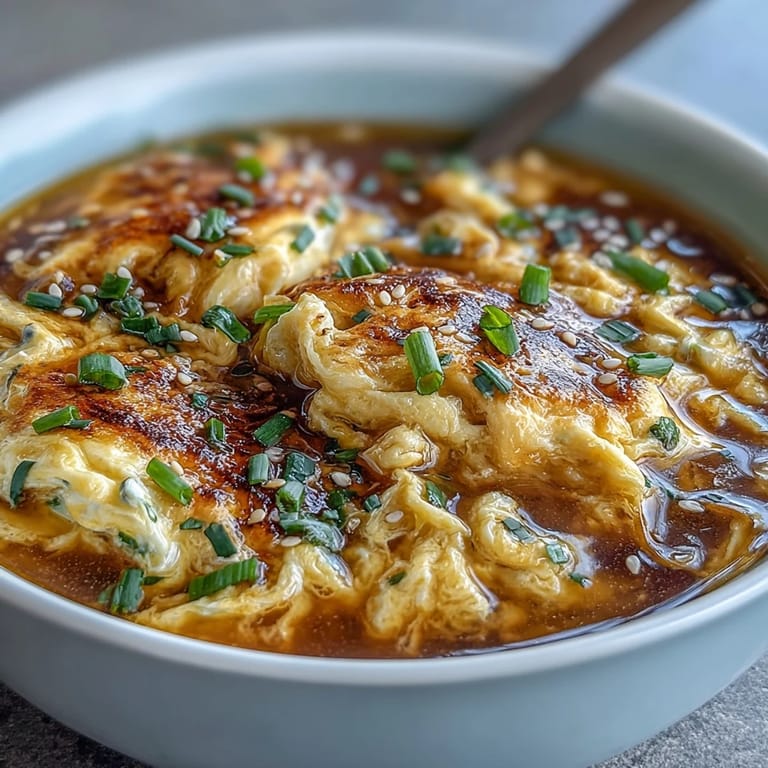
Save Steam from a barely bubbling pot always draws me in, and the first time I made egg drop soup at home, it was a rainy Wednesday that begged for something quick and soothing. I remember the subtle hum of scallions hitting the cutting board, the aroma of broth filling the kitchen, and the brief, anxious hush as I prepared to swirl the eggs. Unlike takeout, home-cooked egg drop soup let me watch each golden ribbon form, delicate and unpredictable. There’s something mesmerizing in how the eggs scatter and puff in the heat — almost meditative. Even now, whipping up this soup feels like a tiny, gentle ritual at the end of a long day.
I once made this egg drop soup for a friend who’d just returned from a hospital stay — her appetite was fragile and she needed something light. We both stood over the pot giggling as I nervously poured the eggs, half afraid I’d end up with scrambled bits instead of ribbons. The soup, thankfully, came together beautifully. She pronounced it a ‘hug in a bowl,’ and asked for seconds. That memory is now quietly stitched into every pot I make, especially for someone who needs a bit of gentle comfort.
Ingredients
- Low-sodium chicken or vegetable broth: The humble foundation, so be sure it’s aromatic and not too salty; homemade makes the flavor rounder, but boxed versions work in a pinch.
- Soy sauce: A splash is all it takes for depth—don’t overdo it or you’ll drown out the eggs.
- Ground white pepper: Adds gentle heat without overpowering the broth; black pepper can be substituted, but the flavor becomes more assertive.
- Sesame oil: Just a few drops deepen the fragrance—skip if you prefer a lighter taste but savor it if you’re after that signature richness.
- Salt: Taste your broth first, then adjust—too much salt and even extra water can’t save you.
- Cornstarch (optional): Dissolve thoroughly for a smooth, silkier texture; skipping it keeps the soup more traditional and brothy.
- Eggs: Use the freshest eggs you can for the brightest ribbon color—you’ll taste the difference in their texture and flavor.
- Scallions: Their crunch and brightness cut through the richness—slice them thin for a subtle finish.
- Toasted sesame seeds (optional): Sprinkle on just before serving if you’re feeling fancy, but the soup stands just as well without.
Tired of Takeout? 🥡
Get 10 meals you can make faster than delivery arrives. Seriously.
One email. No spam. Unsubscribe anytime.
Instructions
- Warm the Broth:
- Pour the broth into a medium saucepan and bring to a gentle simmer; you’ll smell the sesame oil and soy mingling as the bubbles just start to appear.
- Add Slurry (if using):
- If you want a thicker base, whisk cornstarch with water until smooth, then swirl it in and let it thicken for a minute or so.
- Prepare the Egg Mixture:
- Crack the eggs into a bowl and beat them well, feeling the texture lighten under your fork—no streaks should remain.
- Create Egg Ribbons:
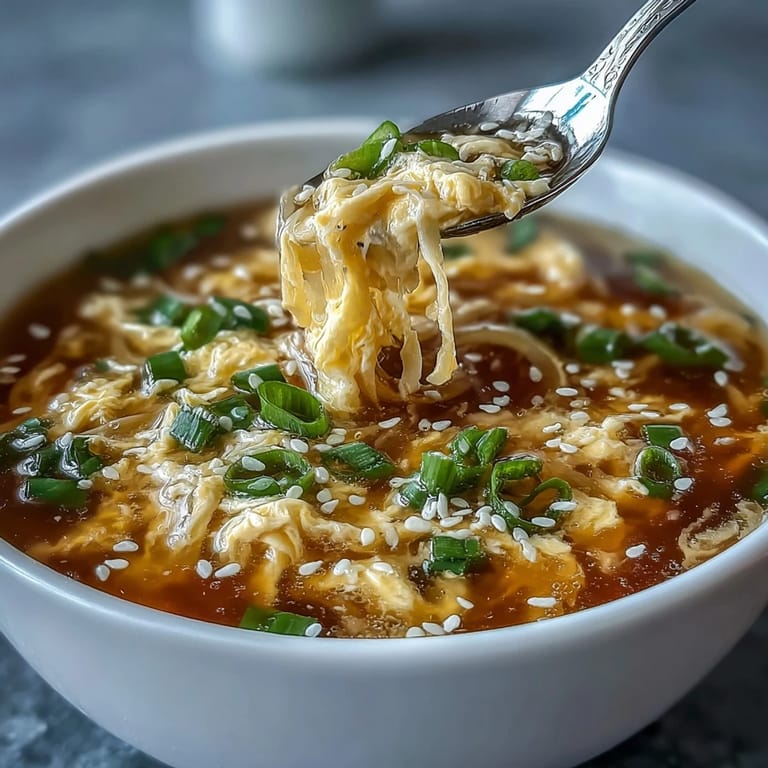
- Turn the heat to low, grab a chopstick (or fork), and stir the soup in slow circles; with your other hand, slowly drizzle in the eggs so they form ribbons rather than clumps.
- Wait and Gently Stir:
- Give the eggs half a minute to set—tiny golden clouds will float up—then gently break up any oversized ribbons for an even texture.
- Garnish and Serve:
- Ladle the soup into bowls, topping each with scallions and sesame seeds for a pop of color and nutty aroma.
 Save
Save 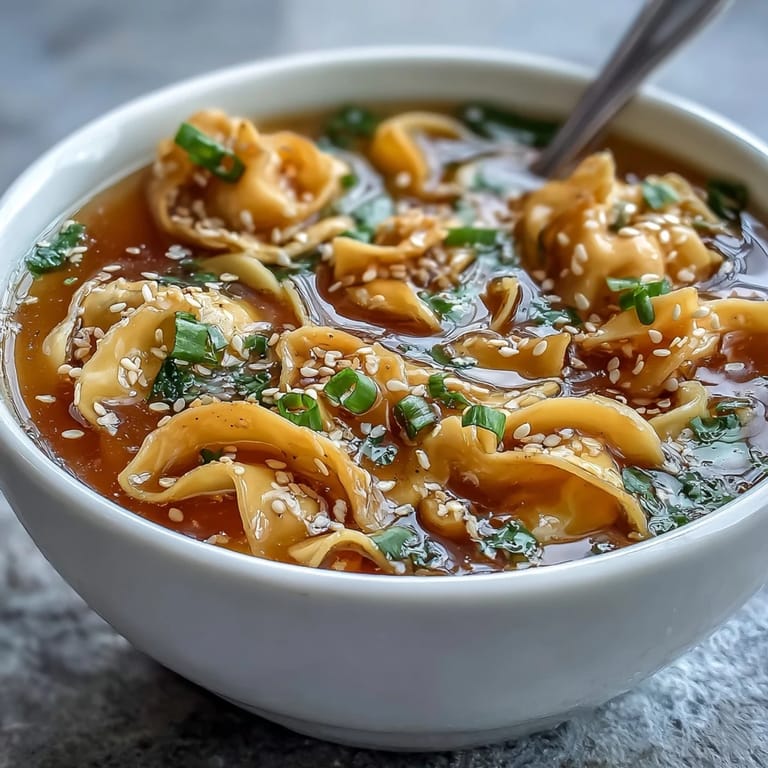 Save
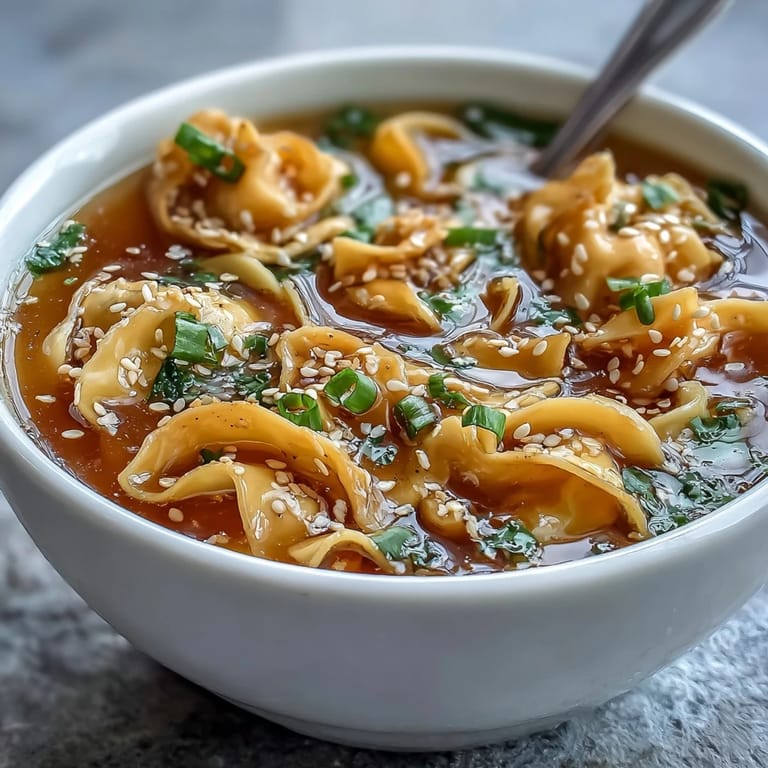
Save The time this soup truly became special was when my partner and I made it after a late-night movie marathon, eating it straight from mugs. We huddled on the couch, warming our hands while the last of the storm tapped gently against the window. Somehow, the soup felt exactly right for that moment—simple, cozy, and entirely ours.
How to Tweak Your Soup
Once you nail the basics, feel free to tuck in extras like tiny cubes of tofu or a handful of sweet corn right before the eggs. If you crave a brighter yellow hue, a whisper of turmeric works wonders. I sometimes sneak a slice of fresh ginger into the broth as it warms, then fish it out before adding the eggs—it lifts the whole flavor, especially in winter.
Best Broth Choices for Home Cooks
Chicken broth brings a gentle savory base, while vegetable broth keeps it light and vegetarian friendly. I find that homemade stocks give a rounder, more complex flavor, but if you’re pressed for time, a quality boxed broth is absolutely fine. The most important tip: taste and adjust for salt before you add anything else—once the eggs go in, correcting seasoning gets tricky.
Little Fixes for the Perfect Ribbon Texture
If the eggs sink to the bottom or clump, it might be a sign your soup is too hot or you’re pouring too fast. The key is patience—let the brothy surface slow, then pour the eggs in as a thin stream with gentle stirring. My stubborn mistake was rushing through this step, and the results were always less elegant than I hoped.
- Don’t skip beating the eggs until they’re truly uniform.
- Always turn the heat low before swirling them in.
- The beauty is in trusting the process, not speeding it up.
 Save
Save 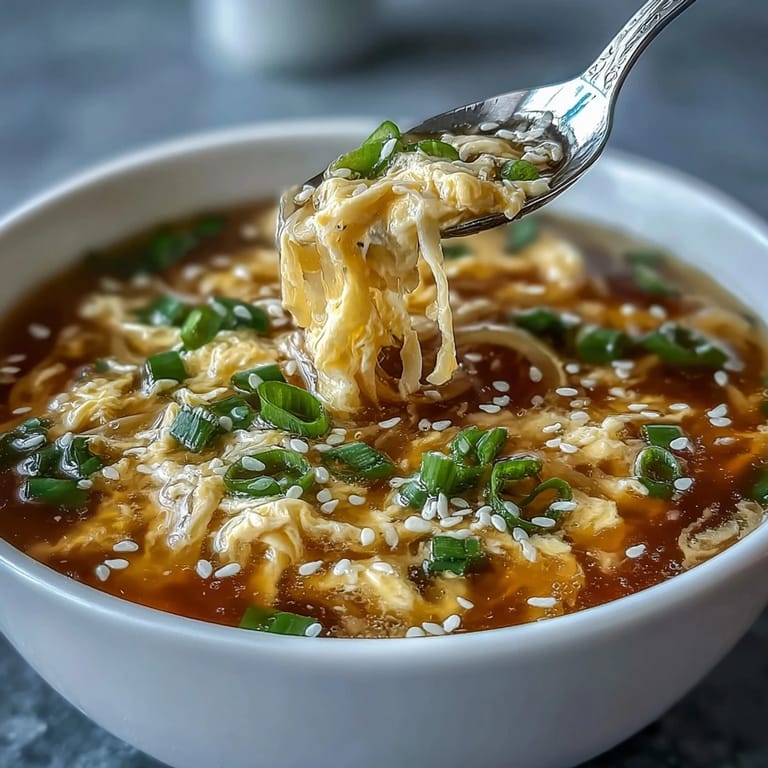 Save
Save Egg drop soup has a way of turning almost any moment into warmth in a bowl. Hope this recipe brings that same gentle comfort to your table, whenever you need it most.
Recipe FAQs
- → How do I get silky, ribbon-like eggs?
Beat the eggs well and reduce the heat to low. Stir the simmering broth slowly in a circular motion and drizzle the eggs in a thin stream; this creates fine, silky ribbons. Use a fork, chopsticks or a thin stream from a pour spout for best results.
- → How can I thicken the broth without overcooking the eggs?
Mix 1 teaspoon to 1 tablespoon of cornstarch with cold water to form a slurry and stir it into the simmering broth before adding the eggs. Cook the slurry for 1–2 minutes until it thickens slightly, then lower the heat and add the eggs.
- → Which broth is best for depth of flavor?
Low-sodium chicken stock gives a rich base, while vegetable stock keeps it vegetarian-friendly. For added aroma, simmer a small piece of ginger in the broth and remove it before adding the eggs.
- → Can I add ingredients like tofu or corn?
Yes. Stir in small cubes of silken or soft tofu, or cooked sweet corn, after the eggs have set to add texture and bulk. Add denser ingredients earlier so they heat through in the simmering broth.
- → How should I season and finish the soup?
Season the broth with soy sauce, white pepper and a splash of sesame oil. Finish with thinly sliced scallions and a sprinkle of toasted sesame seeds to add freshness and a nutty note.
- → What’s the best way to store and reheat leftovers?
Keep leftovers in an airtight container in the refrigerator for up to 2 days. Reheat gently over low heat to avoid breaking up the egg ribbons further; add a splash of stock or water if the soup has thickened.