 Save
Save There's a particular moment in spring when the air shifts and suddenly you want to make something bright enough to match the season. That's when this lemon tart appeared in my kitchen—not from a recipe book, but from watching my neighbor lean against her garden gate, talking about how her Meyer lemon tree had finally gone wild with fruit. She'd handed me three glossy lemons with that casual generosity people have when they're drowning in abundance, and I knew exactly what needed to happen. The combination of a buttery, snap-thin crust with a filling that's simultaneously tangy and silky smooth has a way of making even the simplest dinner feel a little celebratory.
I made this for the first time on a Tuesday in May, testing it for friends coming over that Saturday. The kitchen smelled incredible—that sharp, almost citrusy brightness mixing with butter and vanilla—and I remember my partner walking in midway through and just stopping to breathe it in. By the time our friends arrived, the tart was chilled and waiting, and watching people take that first bite, seeing their faces brighten with that unexpected burst of lemon, made me understand why this dessert has been made in French kitchens for generations.
Ingredients
- All-purpose flour (1 1/4 cups): The foundation of your crust—measure by spooning and leveling, not scooping straight from the bag, or you'll end up with a tough, dense pastry.
- Unsalted butter, cold and cubed (1/2 cup): Cold is non-negotiable here; warm butter turns your crust sandy instead of flaky, so pull it from the fridge moments before using.
- Powdered sugar (1/4 cup): This adds subtle sweetness and helps create tenderness in the dough without being overly sweet.
- Fine sea salt (1/4 tsp): A whisper of salt heightens the butter flavor and balances the sweet-tart dynamic later.
- Egg yolk: Binds the dough just enough while keeping it tender; the fat in yolk matters more than the whole egg would.
- Ice water (2–3 tbsp): Keep it genuinely cold—warm water activates gluten development, which you want to minimize for pastry.
- Eggs and egg yolks (3 large eggs plus 2 yolks): The filling's structure and that silky texture come from proper emulsification of these.
- Granulated sugar (1 cup): Sweetness should complement, never overpower, the bright lemon tartness.
- Freshly squeezed lemon juice (2/3 cup): Bottled juice has a flat, almost metallic quality—fresh lemons make an actual difference you can taste.
- Lemon zest (2 tsp): This adds aromatic intensity that juice alone can't deliver; use a microplane for fine, even pieces.
- Melted butter, cooled (1/2 cup): Adds richness and helps bind the filling while keeping it smooth and pourable.
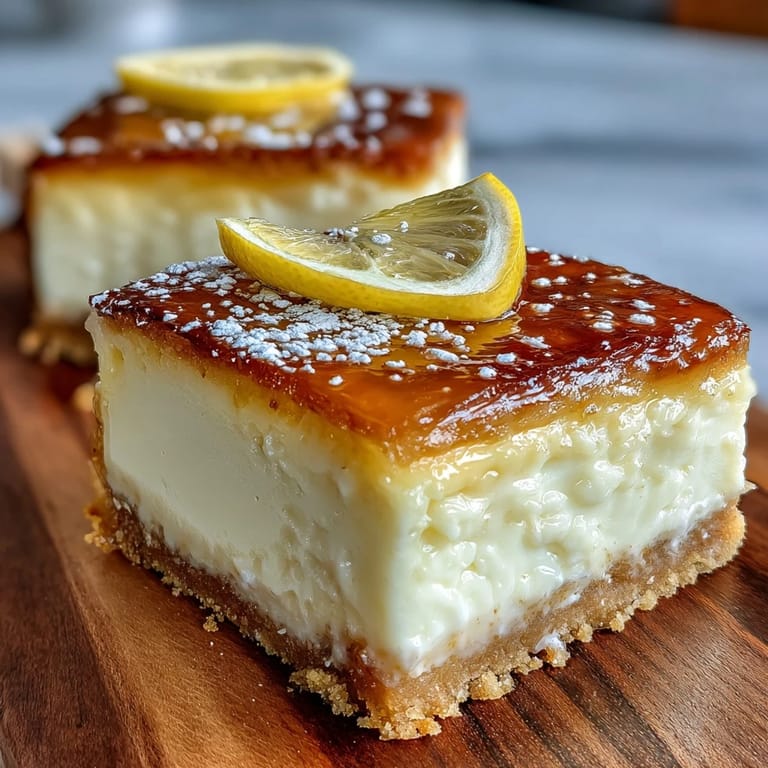
- Powdered sugar and garnish: The final dust of sugar and fresh lemon wheels are optional but transform the tart from homemade to restaurant-quality looking.
Tired of Takeout? 🥡
Get 10 meals you can make faster than delivery arrives. Seriously.
One email. No spam. Unsubscribe anytime.
Instructions
- Get your mise en place ready:
- Preheat your oven to 350°F and let all your cold butter sit out just long enough to be cubed but still firm—if you're working on a warm day, keep butter in the freezer until the last moment. Gather your tart pan, weights, and all ingredients because once you start, there's no stopping to hunt things down.
- Build the crust with your food processor:
- Pulse flour, powdered sugar, and salt together, then add your cold butter cubes and pulse until the mixture looks like coarse breadcrumbs with some pea-sized butter pieces still visible. Add the egg yolk and 2 tablespoons of ice water, pulsing gently just until the dough barely comes together—it should look shaggy, not wet or smooth.
- Chill and roll with patience:
- Turn the dough onto a lightly floured surface, form it into a flat disk, wrap it, and chill for at least 30 minutes if you can spare the time. When you're ready to roll, work between two pieces of parchment paper to avoid extra flour, and if the dough cracks at the edges, gently press those pieces back together as you fit it into the pan.
- Blind bake the foundation:
- Press your dough firmly into the tart pan corners, trim any overhang with a sharp knife, and prick the bottom all over with a fork to prevent puffing. Line with parchment, fill with weights or dried beans, and bake for 15 minutes until the edges begin turning golden, then remove the weights and bake another 10 minutes until the base is lightly colored but still tender.
- Mix the bright, silky filling:
- In a bowl, whisk together whole eggs, yolks, and sugar until pale and slightly thick, then add fresh lemon juice, zest, cooled melted butter, and salt, whisking until absolutely smooth and homogeneous. The mixture should be glossy and pour like heavy cream.
- Bake with intention:
- Pour your filling into the warm crust and slide it into the oven for 20–25 minutes, watching for that gentle wobble in the very center while the edges are set and slightly puffed. You want it just barely underdone in the middle because it continues setting as it cools, and an overbaked lemon tart becomes grainy and loses that silky quality.
- Cool completely, then chill:
- Let it cool on a wire rack until it reaches room temperature, then transfer to the refrigerator for at least 2 hours—the chill firms everything up and actually deepens the lemon flavor. The waiting is hard but necessary.
- Finish with grace:
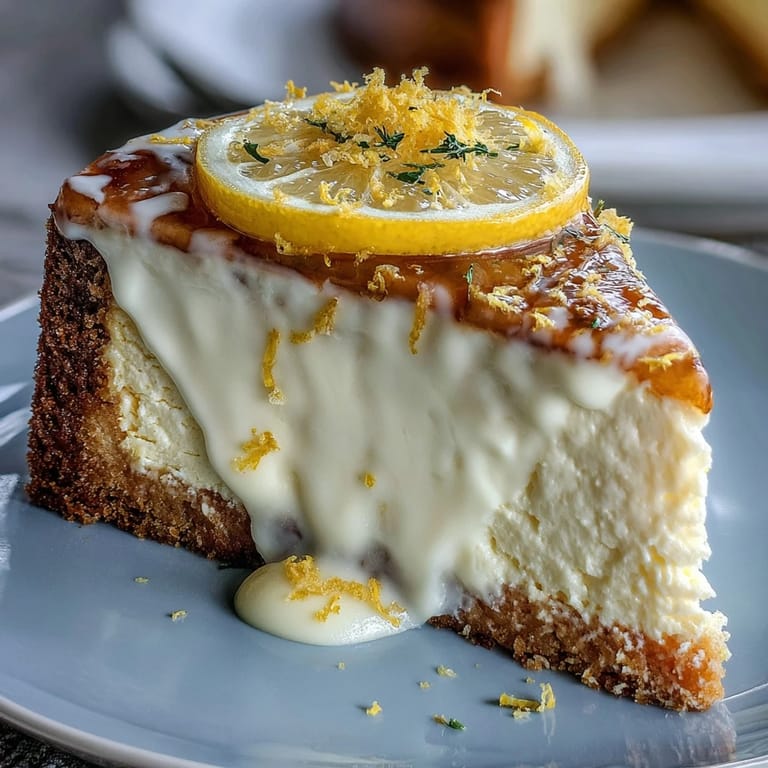
- Just before serving, dust generously with powdered sugar, arrange thin lemon wheels or fresh berries on top, and slice with a warm, clean knife dipped in hot water between cuts for clean edges.
 Save
Save There was a moment, after everyone had finished their tart and was lingering over wine and conversation, when my friend Sarah mentioned that this was the kind of dessert that made her feel like she was sitting at a table somewhere in Provence, even though we were in a regular Tuesday kitchen in an ordinary neighborhood. That's when I realized desserts aren't really about complexity or perfection—they're about creating small experiences that feel a little more refined than the everyday.
The Science Behind the Crust
The magic of a truly flaky pastry crust lies in keeping those butter pieces separate and distinct throughout mixing, so they create steam pockets when the heat hits them. Every time you work the dough or warm it up, you're working against yourself, which is why chilling between steps matters so much. I learned this the hard way after making three dense, tough crusts before understanding that less handling equals better texture, and now I treat the dough like something delicate that needs minimal fussing.
Lemon Varieties and What They Bring
Regular Eureka or Lisbon lemons are reliable and widely available, giving you that classic tartness and brightness, but if you ever find Meyer lemons, grab them—they're sweeter, slightly floral, and make the filling taste almost fragrant. I've also experimented with blood orange mixed into the lemon juice for a subtle earthiness that surprised people in the best way. The acidity is what matters most, so if your lemons feel especially large and pale, taste the juice first because sometimes those giants are less acidic than smaller ones.
Serving and Pairing Wisdom
This tart is beautiful on its own, but a small dollop of whipped cream or crème fraîche on the side adds richness that somehow makes the lemon taste even brighter through contrast. Temperature matters too—serve it chilled but not ice-cold, maybe 30 minutes out of the fridge, so the butter flavor in the crust comes through clearly.
- A glass of Sauternes or even a crisp Albariño pairs beautifully, lifting those bright flavors even higher.
- Fresh mint or a scatter of candied lemon peel adds visual interest and subtle flavor without overwhelming the delicate balance.
- Make this a day ahead if you're serving for guests; the flavors actually deepen overnight and you eliminate stress on event day.
 Save
Save This tart has a way of becoming the thing people remember about the meal long after the conversation fades. That's worth the small effort it takes to make it properly.
Recipe FAQs
- → What type of flour works best for the crust?
All-purpose flour provides the right balance for a tender, crisp crust that holds the filling well.
- → How can I tell when the lemon filling is perfectly baked?
The center should be just set but still slightly wobbly—this ensures a creamy, yet firm texture once cooled.
- → Can I prepare the tart ahead of time?
Yes, chilling the tart for at least 2 hours enhances the flavors and texture before serving.
- → What can I use instead of lemon juice for variation?
Blood orange or lime juice offer a delightful twist on the classic lemon filling.
- → How should the crust dough be handled for best results?
Keep the butter cold and avoid overworking the dough to maintain flakiness and tenderness in the crust.