 Save
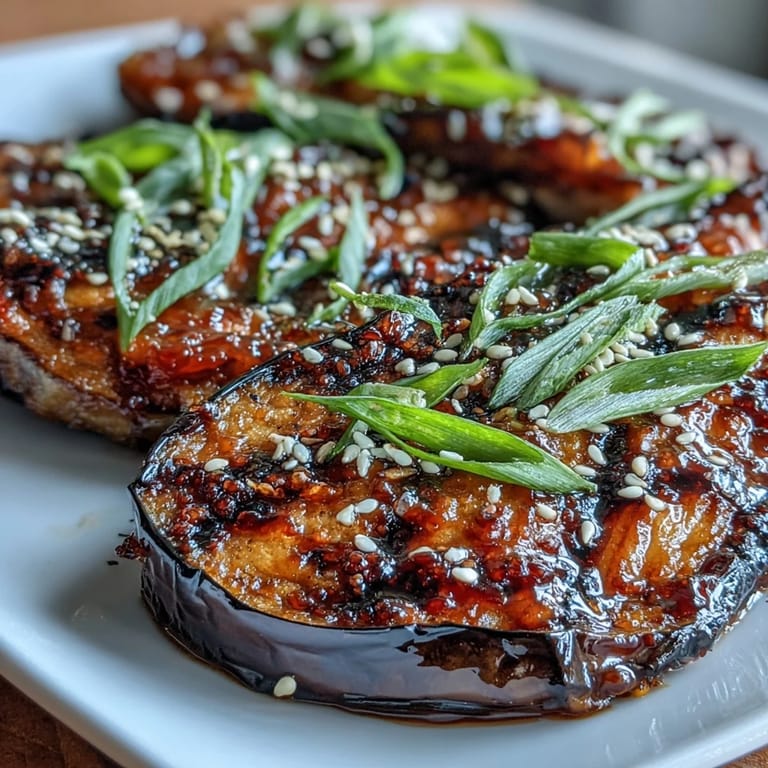
Save My first encounter with miso glazed eggplant happened on a quiet Tuesday evening when my neighbor dropped off a container of leftovers from her dinner party. The eggplant was glossy, almost jewel-like under the kitchen light, and when I took a bite, the umami hit me like a secret I'd been missing all along. The flesh dissolved on my tongue while the caramelized glaze offered this perfect sweet-savory tension that made me wonder why I'd been roasting eggplant so plainly for years. That night I texted her for the recipe, and now it's become the dish I make when I want something elegant but don't want to fuss.
I served this at a casual dinner with friends last summer, and what surprised me most wasn't the recipe itself but how quiet the table got the moment everyone took their first bite. One friend actually put her fork down mid-chew and said, "Wait, this is just eggplant?" There's something about the way the glaze catches the light when it broils that makes the dish feel intentional, even when you're serving it on a regular Tuesday night with store-bought rice and whatever vegetables you had room for in the fridge.
Ingredients
- Japanese eggplants: These long, slender beauties have thinner skin and fewer seeds than their globe cousins, so they become silky rather than mushy when roasted, and the skin doesn't turn bitter.
- White miso paste: Milder and slightly sweeter than red miso, it dissolves into the glaze without overpowering; if you can only find red miso, use half the amount and add an extra teaspoon of sugar.
- Mirin: This sweet rice wine gives the glaze shine and helps it caramelize under the broiler; if you're out, honey works in a pinch but use slightly less.
- Sake: Adds depth and a whisper of alcohol that cooks off, leaving behind subtle complexity; it's worth seeking out, but dry white wine or even water works if you're truly stuck.
- Sugar: Balances the miso's saltiness and helps the glaze bubble and char beautifully under heat.
- Sesame oil: Use toasted sesame oil for maximum flavor; a little goes a long way because it's assertive and aromatic.
- Toasted sesame seeds: These add a final crack of nuttiness and texture that makes the dish feel finished.
- Green onions: A bright, sharp counterpoint to all that savory richness, so don't skip them even if you think you will.
Tired of Takeout? 🥡
Get 10 meals you can make faster than delivery arrives. Seriously.
One email. No spam. Unsubscribe anytime.
Instructions
- Set your oven and prep your workspace:
- Preheat to 400°F and line your baking sheet with parchment paper so the eggplant won't stick and cleanup stays easy. This small step changes everything about how the finished dish looks.
- Halve and score the eggplant:
- Slice lengthwise, then use a sharp knife to score the flesh in a crosshatch pattern without cutting through the skin—this helps the eggplant cook evenly and gives the glaze something to grip onto. I usually make scores about half an inch apart and use light pressure so I don't accidentally split the skin.
- Oil and roast the eggplant:
- Brush the cut sides with sesame oil, place them cut-side up on your sheet, and roast for 20 to 25 minutes until the flesh is completely tender and golden at the edges. The kitchen will smell almost nutty, and when you poke the eggplant with a fork, it should yield without any resistance.
- Build your glaze while eggplant roasts:
- Whisk together the miso, mirin, sake, sugar, and sesame oil in a bowl until completely smooth and glossy. A small whisk or even a fork works fine; just make sure there are no miso lumps hiding in there.
- Glaze and broil:
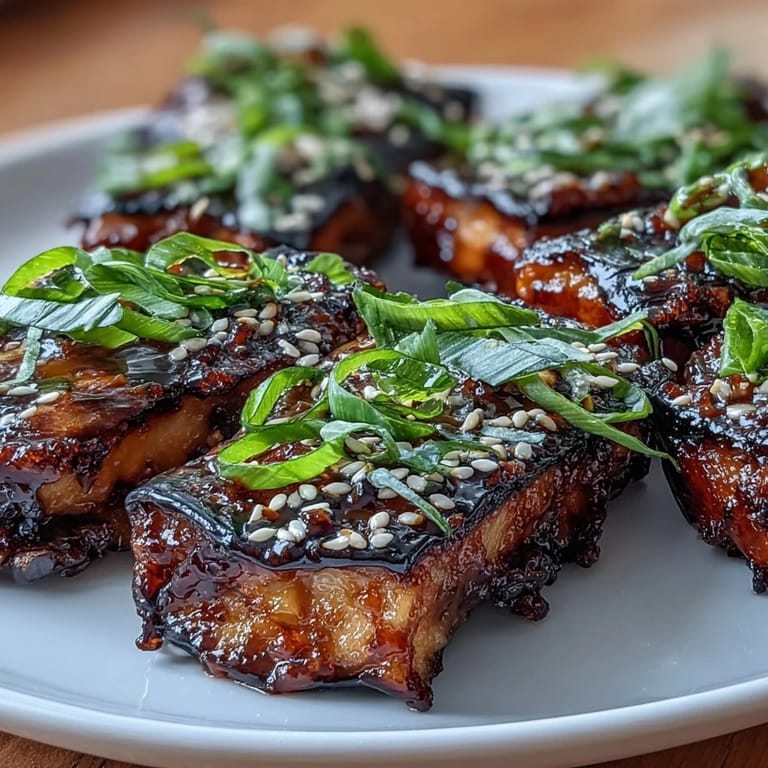
- Remove the eggplant from the oven, spread a generous, even layer of miso glaze over each cut side, then move your oven setting to broil. Broil for 2 to 3 minutes, watching the whole time—the glaze should bubble and caramelize at the edges, but a few seconds too long and you'll taste burnt instead of caramelized.
- Finish and serve:
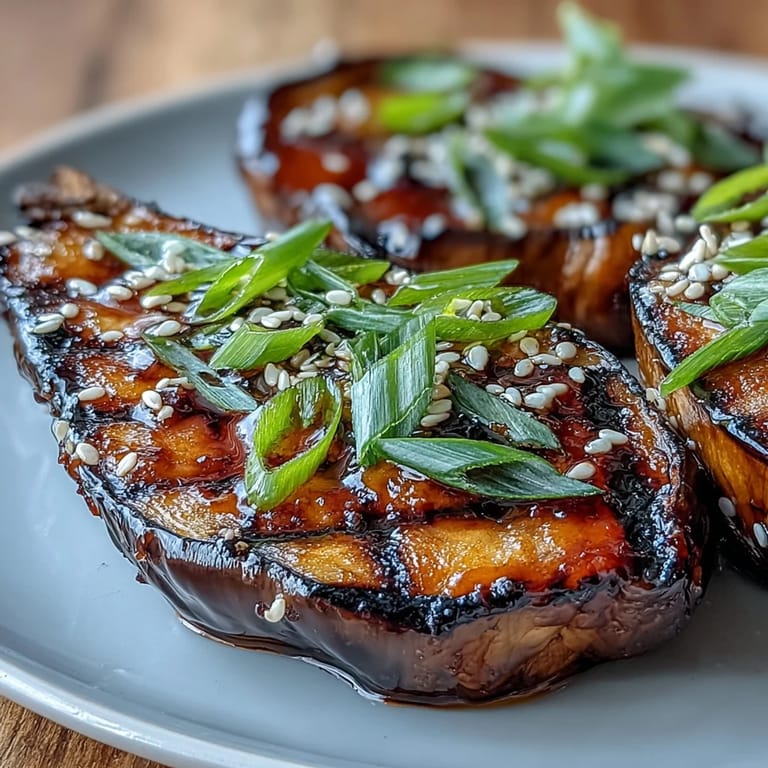
- Pull the eggplant out of the broiler, let it cool for just a minute, then shower it with toasted sesame seeds and fresh green onions. Serve while it's still warm enough to steam a little but cool enough to actually eat.
 Save
Save There's a moment about halfway through roasting when the eggplant releases this subtle, almost sweet steam, and you know it's going to turn out right. I've found myself lingering by the oven during that stage, just waiting for that smell, because it's become a small ritual that signals something good is about to happen at dinner.
Timing and Temperature Matter
The oven temperature at 400°F is designed to cook the eggplant through without burning the outside, and that specific range is worth respecting. If your oven runs hot or cold, add or subtract a few minutes from the roasting time accordingly; you want the flesh completely tender before the glaze even touches it, so that final broil is just about caramelization, not cooking. I learned this the hard way when I tried to rush the process at 425°F and ended up with a burnt exterior and a firm, undercooked center that no amount of glaze could fix.
Building the Glaze Right
The magic of this glaze lives in the balance between miso's saltiness, mirin's sweetness, and the nuttiness of sesame oil; skip any one and you lose the whole conversation. Whisking everything together beforehand ensures the glaze is smooth and consistent, so when you spread it across the eggplant, it clings and caramelizes evenly rather than pooling or sliding off. One detail I picked up from a Japanese cooking instructor: if your miso seems stiff, whisk in just a teaspoon of water at a time to loosen it up, because a glaze that's too thick won't spread properly and won't have that signature bubble across the top.
Flexibility and Substitutions
This recipe is forgiving once you understand what each ingredient does, which means you can adapt it based on what you have and what you're craving. Red miso works if you cut the amount in half and add an extra half teaspoon of sugar to offset its deeper saltiness, while honey or maple syrup can replace the sugar if you want a different sweetness profile altogether. That said, if you're making this for people with dietary restrictions, be sure to check your miso and mirin labels for gluten, and choose vegan miso if you're serving that crowd.
- Substitute honey or maple syrup for the sugar if you want a more complex sweetness and don't mind the glaze being slightly looser.
- Use red miso only if you halve the amount and bump up the sugar, otherwise the glaze will taste aggressively salty.
- Broil with the oven door slightly ajar if you're worried about burning; you can still watch the glaze and adjust timing.
 Save
Save This dish has quietly become one of those recipes I reach for when I want to feel like I've cooked something real without actually spending the afternoon in the kitchen. It's the kind of meal that makes you feel taken care of, whether you're eating alone or sharing the plate with someone who matters.
Recipe FAQs
- → What type of eggplant works best?
Japanese or Chinese eggplants are ideal for their tender, less bitter flesh and thinner skin. Italian eggplants work too but may require longer roasting time to achieve the same silky consistency.
- → Can I make the glaze in advance?
Absolutely. Whisk the glaze ingredients together and store in an airtight container in the refrigerator for up to two weeks. The flavors actually meld and improve over time.
- → Is there a substitute for mirin?
You can replace mirin with equal parts rice vinegar plus a pinch of sugar, though the flavor profile will be slightly different. Dry sherry or white wine with a touch of sugar also works in a pinch.
- → How do I prevent the glaze from burning?
Watch closely during the broiling step—the high sugar content means the glaze can go from perfectly caramelized to burnt quickly. Stay near the oven and check every 30-60 seconds after the first minute.
- → Can this be made gluten-free?
Yes. Use certified gluten-free miso paste and substitute sake with additional water or rice wine. Many traditional mirin and sake contain gluten, so always check labels carefully.
- → What's the purpose of scoring the eggplant?
Scoring the flesh in a crosshatch pattern helps the heat penetrate more evenly, allows the oil and glaze to absorb deeper, and creates more surface area for caramelization. Just be careful not to cut through the skin.