 Save
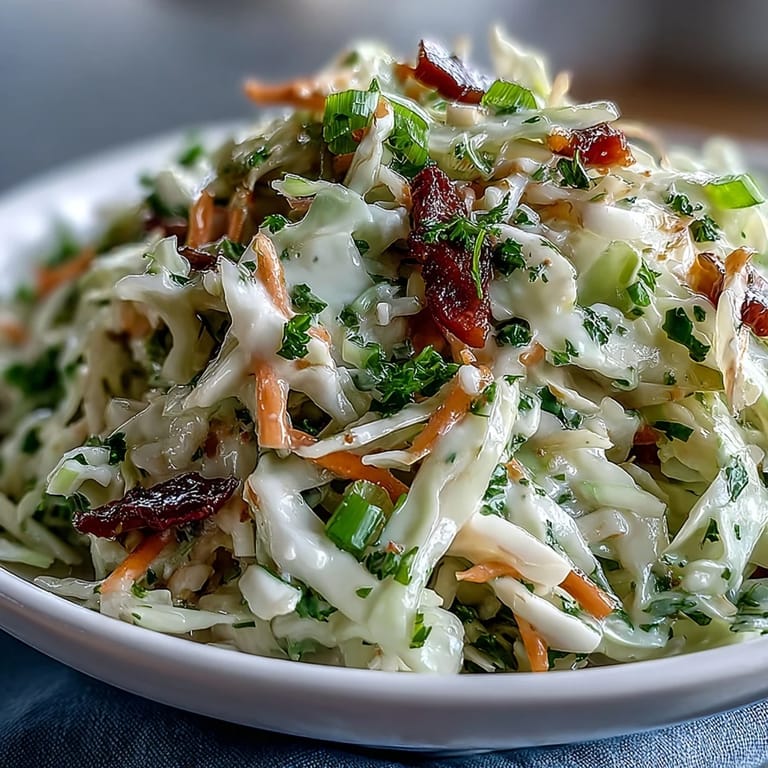
Save My neighbor handed me a jar of homemade sauerkraut one autumn afternoon, insisting I do something more interesting with it than just hot dogs. That evening, I stood in my kitchen staring at the pungent, pale cabbage, wondering if she'd actually set me up for failure or genius. Then it hit me—what if I treated it like the star of a slaw instead of a supporting character? Twenty minutes later, I had something bright, tangy, and unexpectedly crunchy that made me understand why she'd been so confident about that jar.
I made this for a potluck where everyone brought predictable casseroles and mayo-heavy salads. Halfway through the evening, someone asked what I'd brought and when I said sauerkraut slaw, their face did that thing where it couldn't decide between skepticism and intrigue. By the end of the night, the bowl was empty and three people wanted the recipe—turns out the fermented earthiness paired perfectly with the grilled sausages everyone else had brought.
Ingredients
- Sauerkraut, drained and lightly squeezed (1 ½ cups): This is your foundation—the fermentation brings probiotics and a complex tanginess that fresh cabbage alone can't touch, so resist the urge to rinse away all that funky flavor.
- Green cabbage, finely shredded (1 cup): The fresh cabbage keeps things bright and crunchy, balancing the funk of the fermented stuff so nothing gets too intense.
- Carrot, grated (1 medium): Sweet and subtle, carrots add natural sweetness without sugar and bring that satisfying crunch when you bite into them.
- Red bell pepper, thinly sliced (½): This one's about color and mild sweetness—it softens the sharpness just enough to make everything feel harmonious.
- Green onions, thinly sliced (2): Slice these right before mixing so they don't wilt; their fresh bite is what keeps this slaw from feeling heavy.
- Fresh parsley, chopped (2 tablespoons): A handful of green at the end makes people think you fussed more than you actually did.
- Extra-virgin olive oil (2 tablespoons): Don't skip quality here—cheap oil turns bitter and you'll taste it in every bite.
- Apple cider vinegar (1 tablespoon): The acidity wakes up all the vegetables and plays beautifully with the sauerkraut's funk.
- Dijon mustard (1 teaspoon): A tiny amount adds depth without making anyone taste mustard specifically—it just makes everything taste more like itself.
- Maple syrup or honey (½ teaspoon): Just enough sweetness to round the sharp edges and tie flavors together.
- Ground black pepper and salt: Season carefully at the end; sauerkraut is already salty, so go gentle with additional salt.
Tired of Takeout? 🥡
Get 10 meals you can make faster than delivery arrives. Seriously.
One email. No spam. Unsubscribe anytime.
Instructions
- Gather Your Vegetables:
- Drain your sauerkraut in a colander and give it a gentle squeeze—you want to remove excess liquid without crushing the delicate fermented texture. Prepare all your vegetables on a cutting board: shred the cabbage finely so it mingles with the sauerkraut without overwhelming it, grate the carrot into thin wisps, slice the pepper into matchsticks, and mince the green onions and parsley.
- Combine and Toss:
- Dump everything into a large bowl and use your hands or two wooden spoons to mix thoroughly—there's something about using your hands that lets you feel when everything is evenly distributed. You'll notice how the sauerkraut's moisture starts to coat everything immediately, which is exactly what you want.
- Make the Dressing:
- In a separate small bowl, whisk the olive oil, apple cider vinegar, Dijon mustard, maple syrup, pepper, and salt until it emulsifies slightly—you're not making vinaigrette perfection here, just a balanced liquid that tastes alive. Taste it straight from the whisk; it should make your mouth water a little bit.
- Dress and Rest:
- Pour that dressing over everything and toss until every shred is glistening. This is where patience matters—let it sit for ten minutes so the acid softens the raw cabbage slightly and flavors start finding each other.
- Final Taste and Serve:
- Before serving, taste a bite and decide if it needs more salt, pepper, or vinegar—sauerkraut varies in saltiness, so trust your palate. Serve chilled or at room temperature, whichever feels right for the moment.
 Save
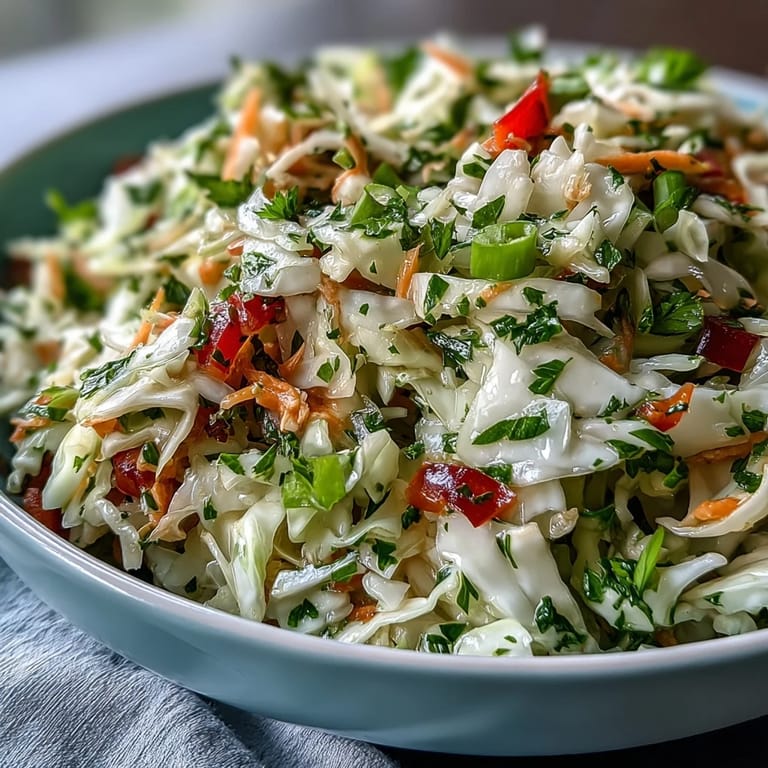
Save There's something about fermented food that changes how people think about what they're eating. A colleague who always chose the safest option tried this at a work lunch and suddenly started asking questions about gut health and fermentation—one bowl of sauerkraut slaw opened a door she didn't know existed.
When Sauerkraut Becomes a Conversation
Most people have a relationship with sauerkraut that involves either childhood memories or active avoidance. This slaw exists in that middle ground where the fermented stuff isn't aggressive—it's just complex enough to make people curious instead of defensive. Serving it to skeptics is weirdly satisfying because within three bites, something clicks and they realize they've been wrong about an entire food category.
The Art of Raw Vegetable Texture
Everything in this slaw stays raw, which means you're responsible for getting the texture right. Shred things too thick and they feel chunky; too thin and they disappear into mush within minutes. There's a middle ground where vegetables stay distinct enough to recognize but soft enough to be pleasant instead of work to chew—learning that balance is worth the practice.
Building a Slaw That Actually Tastes Good
The best slaw happens when you stop thinking about it as a salad and start thinking about it as a condiment—something meant to enhance what's beside it, not necessarily to carry the plate. That shift in perspective changes how you season and balance things because you're no longer trying to be the main event.
- Layer your flavors—acid, salt, a whisper of sweetness, and texture—so no single note overwhelms the others.
- Taste as you go and adjust the dressing before it meets the vegetables; it's much easier to fix when everything is separate.
- Remember that sauerkraut is alive and evolving, so one batch might taste different from another—trust your palate, not the recipe.
 Save
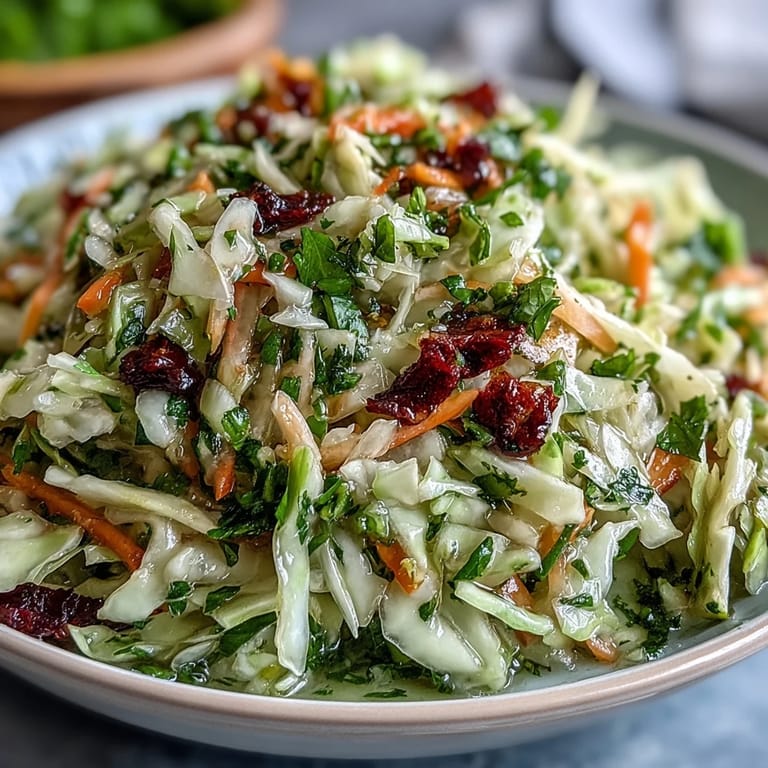
Save Some recipes become favorites because they're impressive or time-consuming, but this one won me over by being honest—it's just good vegetables treated with respect, and that's always enough. Make this once and you'll find yourself reaching for it again and again, not because it's fancy, but because it makes everything it touches taste better.
Recipe FAQs
- → What makes this slaw good for gut health?
Sauerkraut contains natural probiotics from the fermentation process, which support digestive health and gut microbiome balance.
- → Can I make this ahead of time?
Yes, this slaw actually improves after sitting for a few hours or overnight in the refrigerator. The vegetables soften slightly and flavors meld together beautifully.
- → What can I serve with sauerkraut slaw?
This pairs excellently with grilled sausages, fish, or sandwiches. It also works well as a side for hearty German dishes or as a topping for burgers.
- → Is this suitable for vegans?
Yes, when using maple syrup instead of honey, this slaw is completely vegan and gluten-free.
- → How long does sauerkraut slaw keep?
Stored in an airtight container in the refrigerator, this slaw keeps well for 3-5 days. The vegetables may soften slightly over time.