 Save
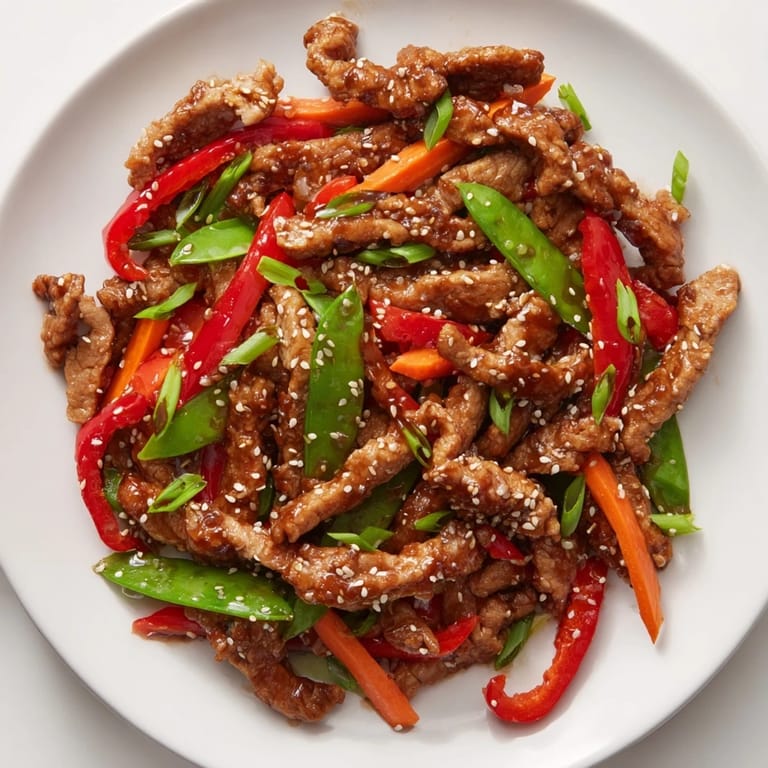
Save The first time I made teriyaki pork, I was rushing to get dinner on the table before a movie night with friends. I had everything prepped, but in my haste, I added the sauce before the pork was properly browned—big mistake. The meat turned gray and steamed instead of getting that gorgeous sear. Now I know patience pays off: get the pork golden and crisp-edged first, let it rest on a plate, then bring it back at the end. That sauce deserves to cling to something with texture.
My roommate used to request this every time she had a rough day at work. Something about the glossy sauce and all those colorful vegetables made everything feel better. Wed eat standing up in the kitchen, sharing forks and straight from the pan. Those impromptu dinners became our tradition.
Ingredients
- 450 g (1 lb) pork tenderloin, thinly sliced: Partially freezing the pork for 20 minutes makes it so much easier to get those thin, even slices that cook quickly and stay tender
- 1 red bell pepper, sliced into strips: Red bell peppers bring natural sweetness and a gorgeous pop of color that makes the dish feel vibrant
- 1 cup (100 g) snap peas, trimmed: These add such a satisfying crunch and hold their texture beautifully in the glossy sauce
- 1 medium carrot, julienned: A julienne peeler or sharp knife creates those thin matchsticks that cook through but stay slightly crisp
- 3 green onions, sliced: Both whites and greens get used—whites for aromatic depth, greens for fresh brightness at the end
- 2 cloves garlic, minced: Fresh minced garlic packs way more punch than jarred, and it blooms quickly in hot oil
- 1 tsp fresh ginger, grated: Use a microplane or the smallest holes on a box grater to turn fresh ginger into a paste
- 60 ml (1/4 cup) low-sodium soy sauce: Low-sodium lets you control the salt level while still getting all that deep umami flavor
- 60 ml (1/4 cup) mirin or sweet rice wine: Mirin adds sweetness and subtle depth you cant get from sugar alone
- 2 tbsp brown sugar or honey: Brown sugar gives the sauce a rich caramel note, while honey keeps it slightly lighter
- 1 tbsp rice vinegar: Just enough acidity to cut through the sweetness and balance the flavors
- 1 tbsp cornstarch: This is what transforms the thin sauce into that glossy coating that clings to everything
- 60 ml (1/4 cup) cold water: Cold water is crucial—hot water can clump the cornstarch before it dissolves
- 1 tsp sesame oil: A little goes a long way, adding that signature nutty finish that makes it taste like restaurant teriyaki
- 2 tbsp vegetable oil: A neutral oil with a high smoke point is essential for stir-frying over high heat
- 1 tbsp toasted sesame seeds: Toasting them in a dry pan for 2 minutes makes all the difference in flavor
Tired of Takeout? 🥡
Get 10 meals you can make faster than delivery arrives. Seriously.
One email. No spam. Unsubscribe anytime.
Instructions
- Whisk the teriyaki sauce:
- Combine soy sauce, mirin, brown sugar, rice vinegar, cornstarch, cold water, and sesame oil in a small bowl, whisking until the cornstarch dissolves completely
- Sear the pork:
- Heat 1 tablespoon of vegetable oil in a large wok or skillet over medium-high heat, add the pork slices in a single layer, and stir-fry for 3 to 4 minutes until browned and just cooked through
- Cook the vegetables:
- Add the remaining oil to the pan along with bell pepper, snap peas, and carrot, stir-frying for 2 to 3 minutes until theyre crisp-tender and vibrant
- Bloom the aromatics:
- Toss in the garlic, ginger, and half the green onions, stirring constantly for 30 seconds until fragrant but not browned
- Combine and glaze:
- Return the pork to the pan, re-whisk the teriyaki sauce, pour it over everything, and toss for 1 to 2 minutes until the sauce thickens and coats each piece
- Finish and serve:
- Remove from heat immediately, sprinkle with sesame seeds and the remaining green onions, and serve while the sauce is still glossy and hot
 Save
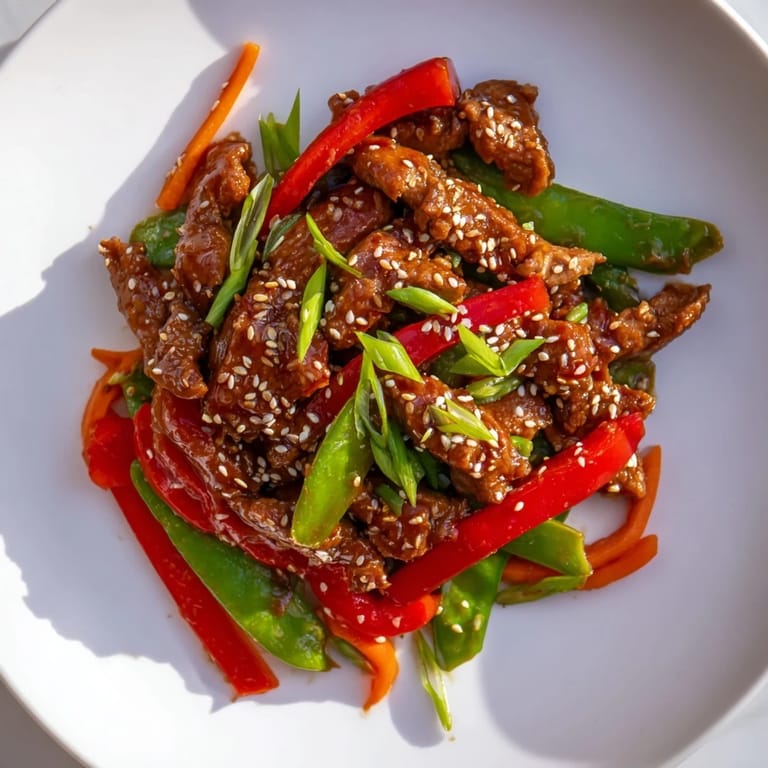
Save This dish became my go-to for potlucks because it travels well and reheats beautifully without losing that sauce texture. People started asking for the recipe instead of asking where I ordered takeout from.
Making Ahead
Prep all the vegetables and slice the pork up to a day in advance, storing everything in separate containers in the refrigerator. The sauce can be whisked together and kept in a jar—just give it a good shake before using since the cornstarch may settle.
Protein Swaps
Chicken breast works beautifully here, just slice it thinly against the grain. For tofu, press extra-firm blocks for 15 minutes, cut into cubes, and pan-fry until golden before adding to the vegetables.
Serving Ideas
Steamed jasmine rice is classic, but cauli rice, noodles, or even zucchini noodles work if you want to keep it lighter. The sauce is generous enough to coat whatever base you choose.
- Leftovers keep for 3 days in the fridge and reheat in a skillet with a splash of water
- Double the sauce recipe if you love extra sauce for rice
- Prep all ingredients before you turn on the stove—stir-frying moves fast
 Save
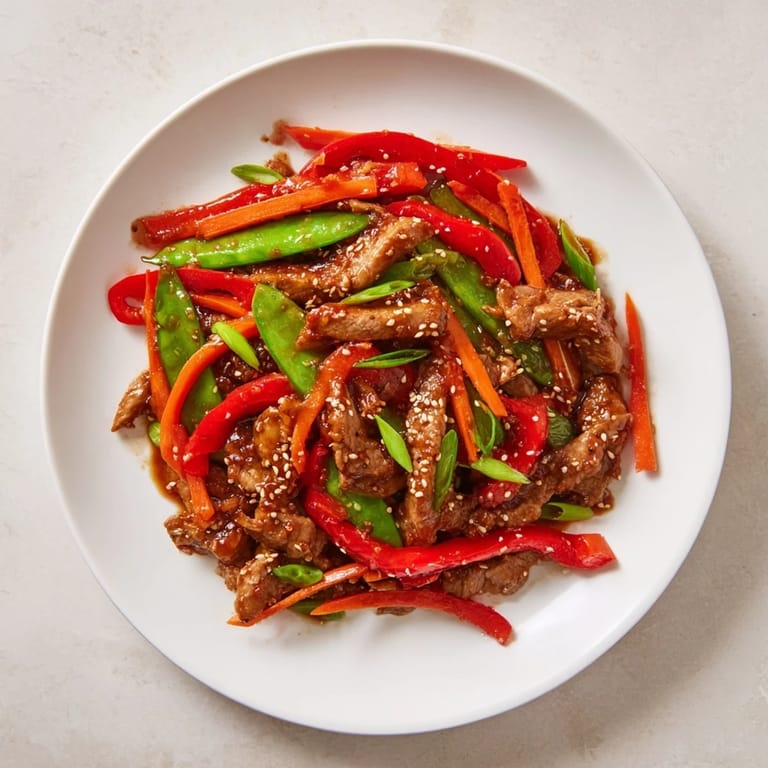
Save Garnish with extra green onions right before serving—this brings a fresh bite that cuts through the sweetness and keeps every mouthfeel interesting.
Recipe FAQs
- → Can I substitute the pork with another protein?
Yes, chicken or tofu can be used instead of pork for a different protein option.
- → What vegetables work well in this stir-fry?
Red bell pepper, snap peas, carrots, green onions, and garlic provide a crisp and flavorful mix.
- → How do I make the sauce thicker?
Whisking cornstarch into the sauce and cooking it until it thickens creates a glossy glaze.
- → Is there a gluten-free sauce alternative?
Tamari can replace soy sauce to make a gluten-free version of the sauce.
- → What is the best way to serve this dish?
Serve over steamed rice or noodles, garnished with toasted sesame seeds and extra green onions.