 Save
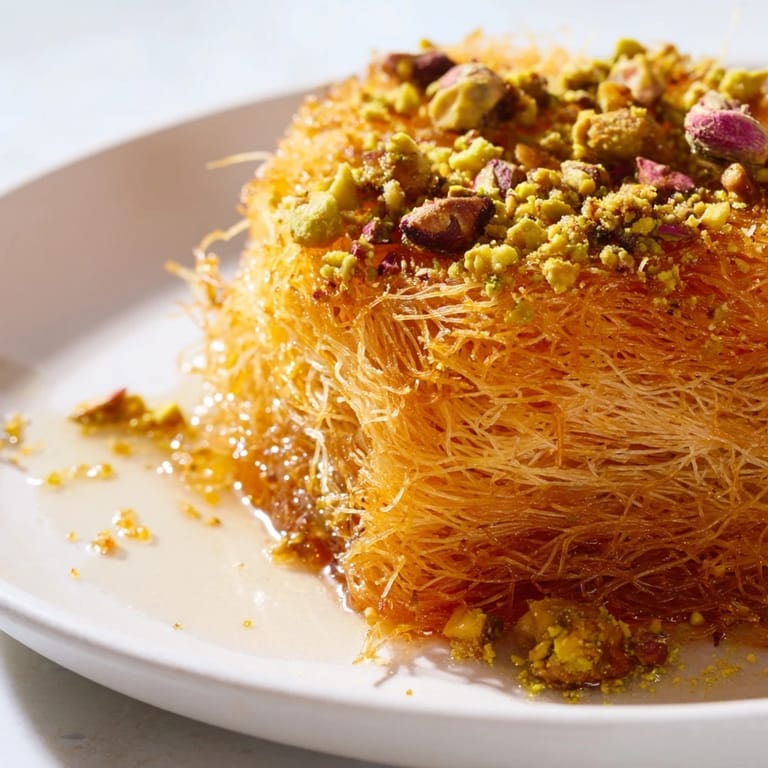
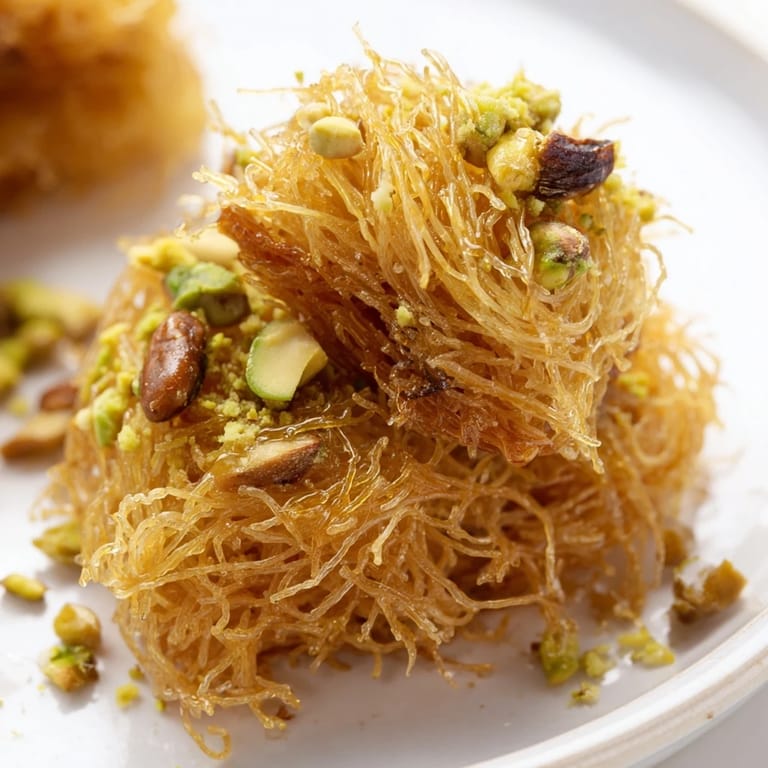
Save The first time I truly understood the magic of konafa was during a summer visit to Cairo, watching my aunt's hands move through the shredded phyllo with the kind of practiced grace that only comes from years of repetition. She worked at her kitchen counter in the early morning heat, fingers barely touching the delicate strands as she layered them into the pan, and I realized this wasn't just assembly—it was a conversation between her and the pastry. When that golden, crispy treasure came out of the oven and she poured the warm syrup over it, the kitchen filled with a fragrance so intoxicating that the whole day suddenly felt like a celebration.
I made this for a dinner party once, worried the whole time that I'd somehow ruin it, but what I discovered is that konafa is nearly impossible to mess up—it just wants to be treated with a little care and respect. My guests went quiet when they tasted it, that specific kind of quiet that means something good is happening, and afterward everyone wanted the recipe. That's when I knew this wasn't just another dessert; it was the kind of dish that makes people feel taken care of.
Ingredients
- Kataifi (shredded phyllo dough), 500 g, thawed: This is the foundation, and thawing it properly prevents it from shattering into useless fragments before you even start layering.
- Unsalted butter, 200 g, melted: Butter is what turns the kataifi into something crispy and golden; use real butter, not oil, because the flavor matters here.
- Walnuts, 150 g, finely chopped: Walnuts bring earthiness and a subtle bitterness that keeps the whole thing from being one-note sweet.
- Pistachios, 100 g, finely chopped: These add brightness and a hint of color that makes people notice the difference before they even taste it.
- Almonds, 50 g, finely chopped: Almonds soften the intensity of the walnuts and round out the nut profile with a gentle sweetness.
- Granulated sugar, 60 g: This sweetens the filling without overpowering the spices; don't skip it, but don't increase it either.
- Ground cinnamon, 1 tsp: Cinnamon is the warm heartbeat of this dessert, so don't use the pale, flavorless stuff from the back of your spice cabinet.
- Ground cardamom, 1/4 tsp: Just a whisper of cardamom lifts the whole filling into something more sophisticated than you'd expect.
- Granulated sugar, 200 g (for syrup): This creates the syrup that soaks into the warm pastry and makes it irresistible.
- Water, 120 ml: Combined with sugar, this becomes the medium that carries all the floral and citrus notes.
- Honey, 2 tbsp: Honey adds depth and a lingering sweetness that granulated sugar alone can't achieve.
- Lemon juice, 1 tsp: A small squeeze cuts through the richness and keeps the syrup from feeling cloying.
- Rose water or orange blossom water, 1 tsp (optional): If you use this, you're adding a layer of Middle Eastern authenticity that transforms the whole experience; if you skip it, the konafa is still wonderful.
Tired of Takeout? 🥡
Get 10 meals you can make faster than delivery arrives. Seriously.
One email. No spam. Unsubscribe anytime.
Instructions
- Prepare your pan and preheat:
- Set your oven to 180°C (350°F) and butter a 23 cm round baking pan generously—this prevents sticking and adds flavor. Getting the oven ready first means you're never waiting around with assembled pastry.
- Gently separate the kataifi:
- Take the thawed kataifi and run your fingers through it slowly, teasing the strands apart without shredding them further. This takes a few minutes, but it matters because loosened strands will crispen more evenly, and you want every bite to have that satisfying crunch.
- Layer the base:
- Spread half the kataifi into the pan, pressing down gently with your palms to create an even, compact layer. Drizzle half the melted butter over it, making sure the brush reaches into the corners and doesn't leave dry patches.
- Mix and spread the nut filling:
- Combine the walnuts, pistachios, almonds, 60 g sugar, cinnamon, and cardamom in a bowl, stirring until the spices are evenly distributed. Spread this mixture in an even layer over the kataifi base, pressing gently so it stays in place.
- Top and seal:
- Layer the remaining kataifi over the filling, pressing gently to help everything hold together. Drizzle the rest of the butter over the top, using a pastry brush to ensure even coverage from edge to center.
- Bake until golden:
- Slide the pan into your preheated oven and bake for 30 to 35 minutes, until the top is deep golden and you can hear it crackling slightly when you move the pan. The aroma alone will tell you when it's nearly done.
- Make the honey syrup:
- While the konafa bakes, combine 200 g sugar and 120 ml water in a saucepan and bring to a boil, then reduce the heat and let it simmer gently for 7 to 8 minutes until slightly thickened. Remove from heat and stir in the honey, lemon juice, and rose or orange blossom water if you're using it, then set aside to cool for just a few minutes.
- Soak and cool:
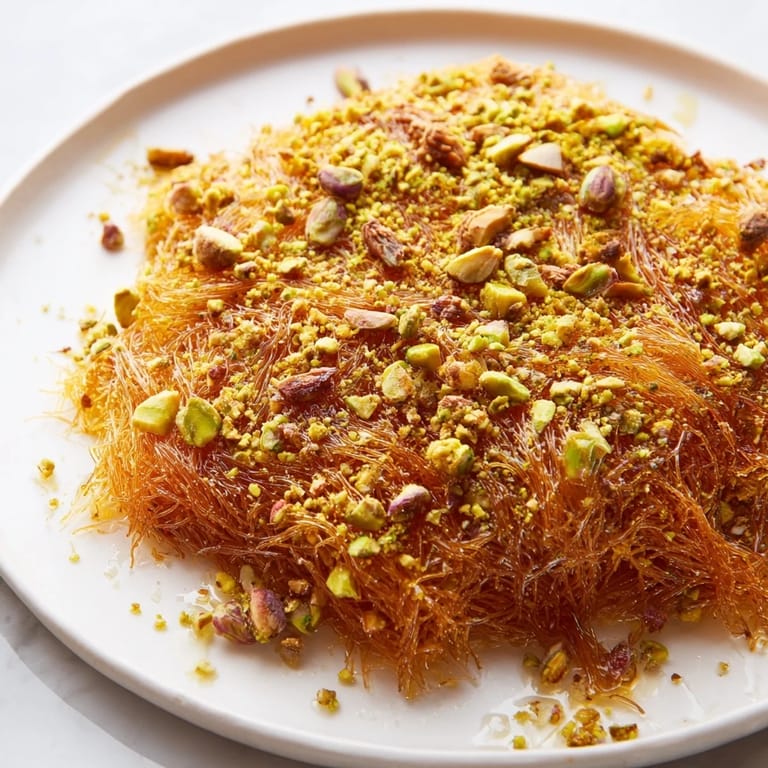
- The moment the konafa emerges from the oven, pour the warm syrup evenly over the hot pastry—this is the magic moment when the pastry absorbs the sweetness. Let it cool for 30 minutes before cutting.
- Slice and serve:
- Using a sharp knife, cut the konafa into diamonds or squares, wiping the blade between cuts for cleaner edges. Serve at room temperature, and watch people's faces light up when they taste it.
 Save
Save There's something profound about a dessert that brings people together without fuss or pretense, and konafa does exactly that. It's the kind of dish that proves you don't need complicated techniques or rare ingredients to create something memorable.
Choosing and Preparing Your Nuts
The nut filling is where you inject your own personality into this recipe, and I've learned through experimentation that the ratio matters less than the quality of what you choose. If walnuts feel too earthy for your taste, replace them with hazelnuts or pecans; if pistachios are outside your budget, use more almonds or cashews. The spices—cinnamon and cardamom—are what really define the character of the filling, so don't reduce those, but the nuts themselves are flexible.
The Syrup: Sweet, Tart, and Floral
I used to make the syrup too thick, thinking that more sugar meant more delicious, but I learned that a thinner, more pourable syrup actually penetrates the pastry better and creates a more balanced sweetness. The lemon juice is crucial—it cuts through the honey and prevents the syrup from tasting one-dimensional. Rose water or orange blossom water is optional, but if you can find it, use it; it adds an unmistakable Middle Eastern authenticity that elevates the whole experience.
Making It Ahead and Serving Ideas
Konafa actually tastes better the next day, once the flavors have settled, so you can absolutely assemble and bake it a day or two in advance and reheat it gently in a 150°C oven for 10 minutes before serving. I've learned that serving it with something cool and creamy—a dollop of whipped cream, a scoop of vanilla ice cream, or fresh berries on the side—makes the crispy pastry even more striking by contrast.
- Store covered at room temperature for up to three days, and it will taste just as good cold as it does warm.
- If you want to add creaminess, layer the filling with sweetened ricotta or mascarpone for a richer version that still works beautifully.
- Dust lightly with cinnamon before serving if you want an extra visual flourish and a gentle reminder of the warm spices inside.
 Save
Save This is a dessert that asks very little of you but rewards generosity, and that's exactly what I love about it. Make it for people you care about, and let the warm butter, toasted nuts, and fragrant syrup do the talking.