 Save
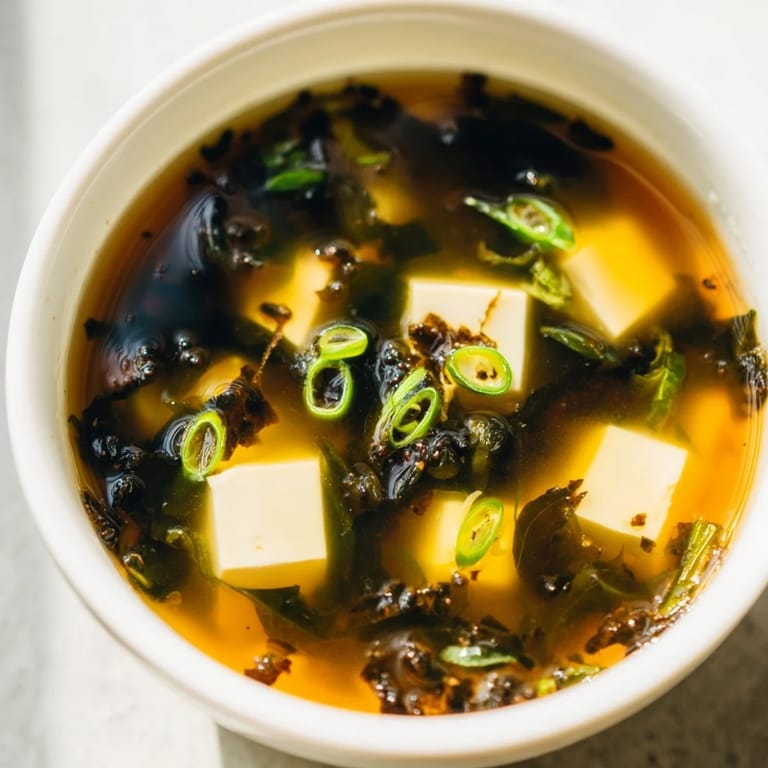
Save The first time I had wakame soup was at a tiny Japanese restaurant in San Francisco, where the owner's grandmother made it fresh every morning. I watched her whisk miso into broth with such gentle precision, her hands moving like she was conducting music. Now whenever I make this at home, that quiet moment of care comes back to me. Something about the way the seaweed unfurls in hot water feels like watching a secret being revealed.
Last winter when my sister was recovering from surgery, I brought her a batch of this soup. She texted me later saying it was the first thing that actually tasted good and made her feel cared for. Since then, I've started keeping a stash of dried wakame in the back of my cupboard for those nights when someone needs comfort but nothing too heavy.
Ingredients
- Dried wakame seaweed: This expands dramatically when rehydrated, so a little goes a long way. I've learned to measure it before soaking or I end up with enough seaweed to feed the whole neighborhood.
- Dashi stock: The foundation of the soup's flavor. Homemade dashi is wonderful, but a good quality granulated dashi works perfectly for weeknight cooking.
- Silken tofu: Creates those tender, custard-like bites that float in the broth. Firm tofu holds its shape better if you prefer more texture.
- White miso paste: Milder and sweeter than red miso, it dissolves beautifully and won't overpower the delicate seaweed flavor.
- Soy sauce: Adds just enough depth and salt to round out the miso. Use tamari if you need to keep it gluten-free.
- Sesame oil: Completely optional, but that tiny drizzle at the end adds such a wonderful aromatic finish.
- Fresh scallions: The bright, oniony contrast against the savory broth is what makes each spoon feel complete.
Tired of Takeout? 🥡
Get 10 meals you can make faster than delivery arrives. Seriously.
One email. No spam. Unsubscribe anytime.
Instructions
- Wake up the seaweed:
- Place the dried wakame in a small bowl and cover with cold water. Let it soak for about five minutes, watching as those brittle pieces transform into silky, tender ribbons.
- Warm the dashi:
- Bring your dashi stock to a gentle simmer in a medium saucepan over medium heat. You want it hot but never violently boiling, which can make the miso lose its delicate flavor.
- Add tofu and seaweed:
- Carefully slide in your cubed tofu and drained wakame, letting them simmer together for just two or three minutes. The tofu should be heated through but still holding its shape perfectly.
- Dissolve the miso:
- Ladle about half a cup of hot broth into a small bowl and whisk in the miso paste until completely smooth. This prevents clumping and ensures every spoonful has that perfectly balanced flavor.
- Combine and finish:
- Pour the miso mixture back into the soup and add the soy sauce. Let it heat through for one final minute, then stir in that optional sesame oil if you're using it.
- Serve immediately:
- Ladle into bowls while steaming hot and scatter those fresh scallions on top. The contrast of the hot broth and crisp garnish is absolutely essential.
 Save
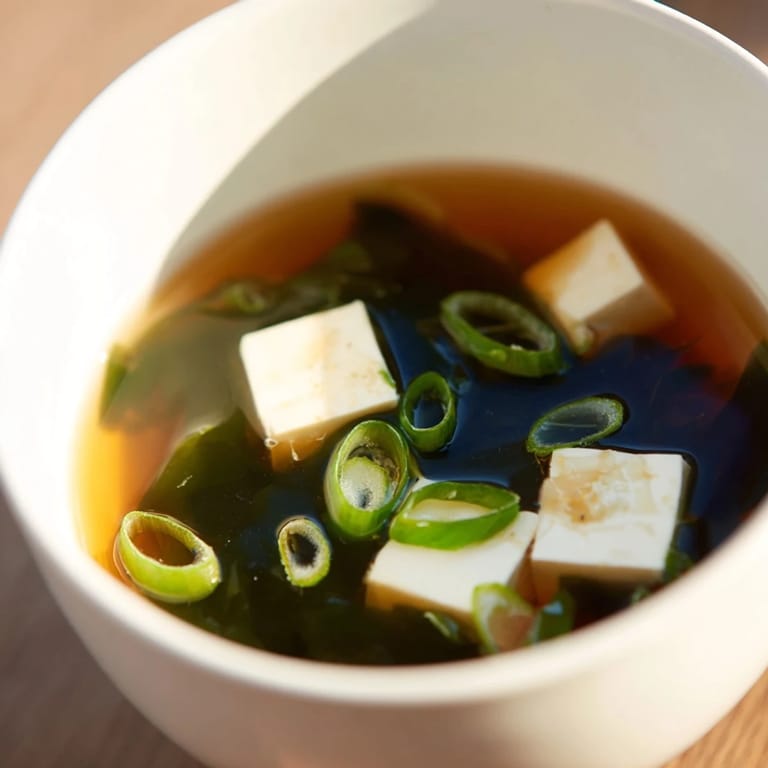
Save There's something almost meditative about standing at the stove, watching the seaweed dance in the simmering broth. I've started making this on Sunday evenings when I need a quiet moment before the week begins. The simple act of whisking miso into hot water feels like a small ritual of self-care.
Making Your Own Dashi
While store-bought dashi granules are perfectly fine, I discovered that making dashi from scratch is surprisingly simple. Soak a piece of kombu in cold water overnight, then slowly bring it to a simmer. Remove the kombu just before boiling, add bonito flakes if you eat fish, and strain. The difference in depth and clarity is remarkable.
What Makes Miso So Special
Miso paste is fermented soybeans mixed with salt and koji, and it's been a Japanese staple for thousands of years. I used to only use red miso until a friend introduced me to white miso's gentler, sweeter profile. Now I keep both varieties in my refrigerator, using white for delicate soups like this one and red for heartier winter dishes.
Simple Variations to Try
Sometimes I'll add shiitake mushrooms when I want extra earthiness, or baby spinach leaves in the last minute for color. Once I even added a soft-boiled egg when I needed something more substantial for dinner. The recipe is wonderfully forgiving and welcomes experimentation.
- Add a handful of cooked rice to transform it into a complete meal
- Stir in a teaspoon of grated fresh ginger for extra warmth
- Top with toasted sesame seeds for a satisfying crunch
 Save
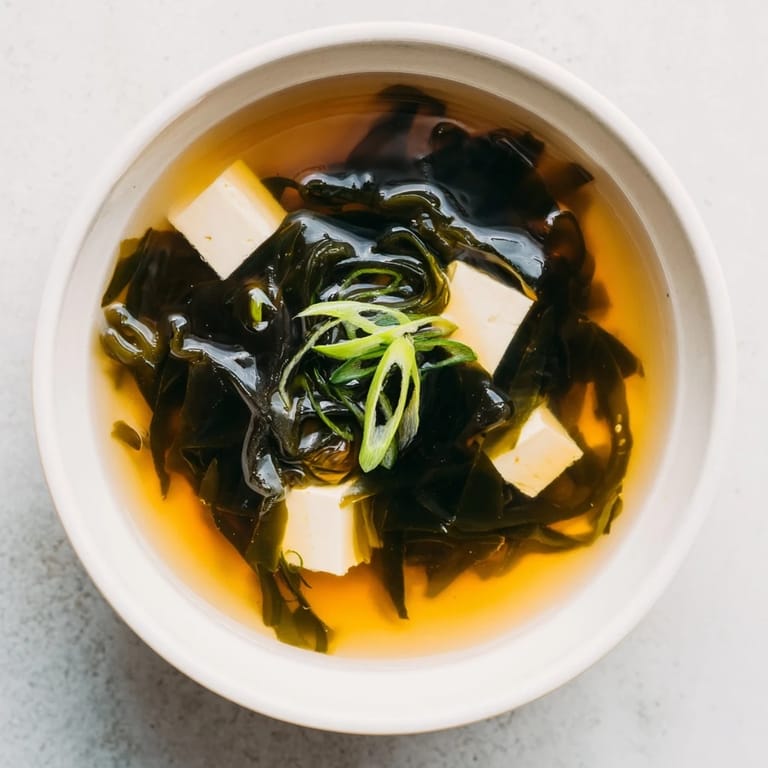
Save This soup has become my go-to for days when I need nourishment without the fuss. Simple, soothing, and always exactly what I didn't know I needed.
Recipe FAQs
- → What is wakame and where can I find it?
Wakame is a nutrient-dense seaweed commonly used in Japanese cuisine. You'll find dried wakame in Asian grocery stores, health food markets, or online retailers. It's typically packaged in small pouches and keeps well in your pantry for months.
- → Can I make this soup without dashi?
While traditional dashi provides authentic flavor, you can substitute with kombu-based vegetable broth or light chicken stock. For vegetarian versions, kombu and shiitake mushroom dashi creates excellent depth while maintaining the soup's character.
- → How do I prevent miso from becoming bitter?
Miso loses its beneficial enzymes and develops bitter notes when boiled. Always dissolve miso in a ladle of hot broth away from direct heat, then gently stir it into the soup just before serving. Never let the finished soup come to a rolling boil.
- → What tofu variety works best?
Silken tofu creates a delicate, smooth texture that pairs beautifully with the broth. Firm tofu works well if you prefer heartier cubes that maintain their shape. Avoid extra-firm varieties as they can feel dense in this light preparation.
- → How can I add more vegetables without changing the flavor?
Mushrooms, spinach, and carrots integrate seamlessly. Add mushrooms during the initial simmer for deeper umami. Tender greens like spinach or mizuna should be added in the final minute to preserve their texture and color.
- → Is this soup suitable for meal prep?
The broth stores well refrigerated for 3-4 days, but add tofu and wakame fresh before serving to maintain optimal texture. Prepare the dashi and wakame separately, then combine when reheating for best results.